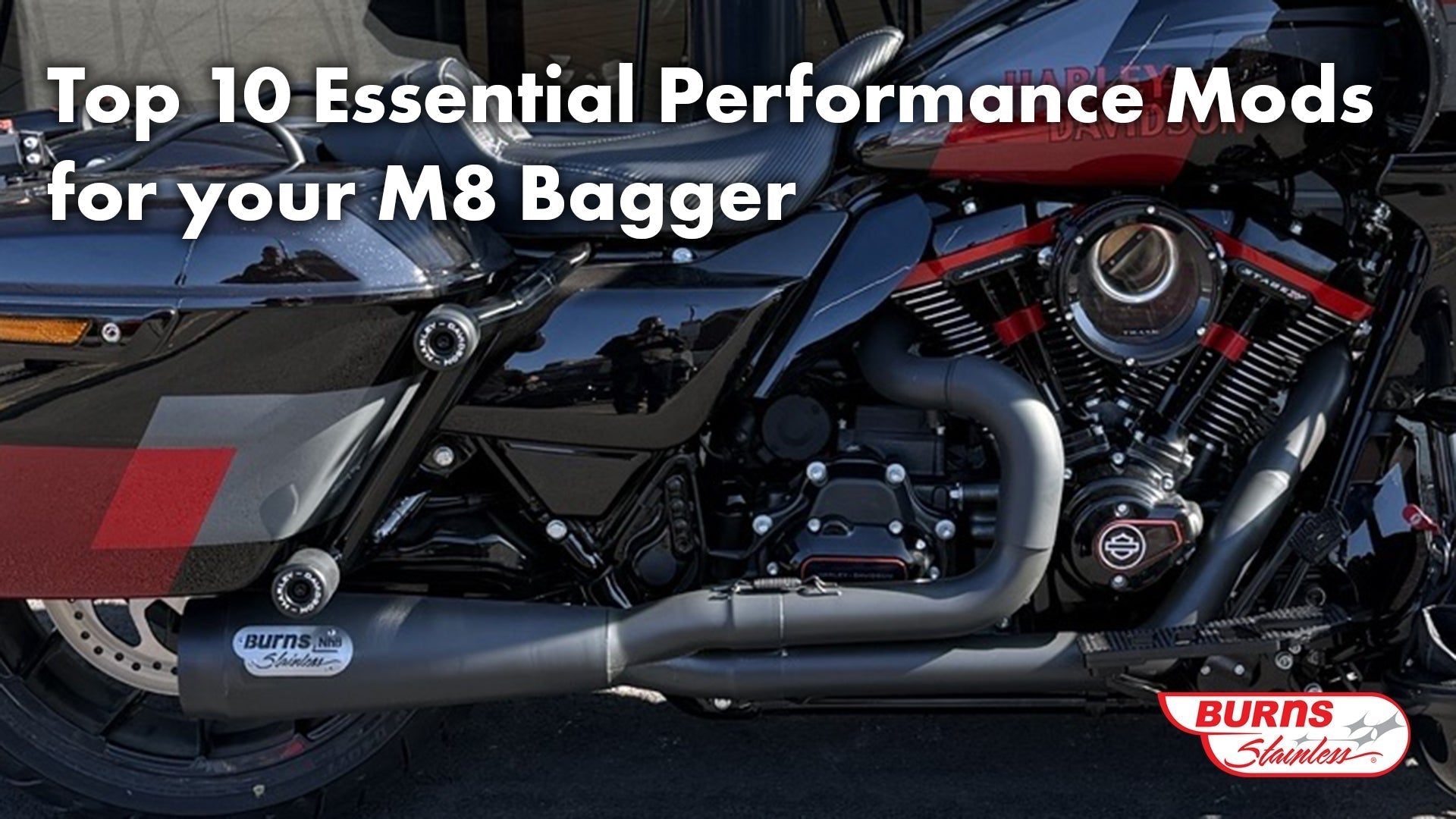
What actually works—and why order matters
The Milwaukee-Eight is a strong engine platform, but the biggest mistake riders make isn’t which parts they choose—it’s the order they choose them in.
Performance mods don’t work in isolation. Each change affects airflow, torque delivery, heat, and reliability. Done out of sequence, results disappoint. Done correctly, the bike pulls harder everywhere and stays that way.
This guide lays out the correct upgrade order—and explains where the rules change.
1. Properly Engineered Exhaust System
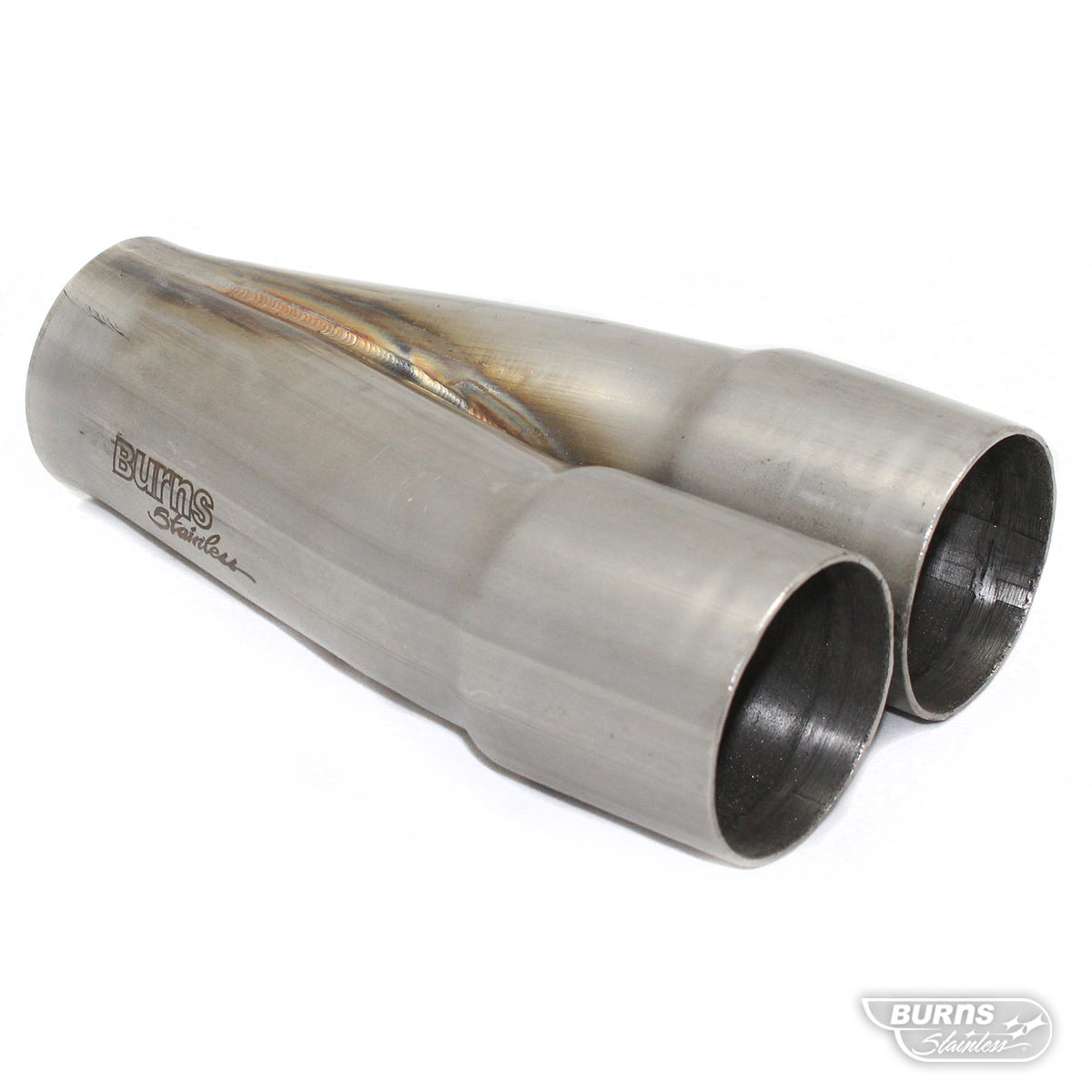
The exhaust system defines how efficiently the engine evacuates spent gases, which directly shapes the torque curve.
Primary diameter, length, merge geometry, and collector design all matter. Get these right and the engine responds cleanly across the rpm range. Get them wrong and no cam or displacement increase will fully recover the loss.
Everything else builds on this decision.
2. Intake System
On an M8 Harley, the intake’s role is straightforward: supply enough clean air to meet demand.
Because the intake sits upstream of the throttle body and MAF and operates in open air, heat soak and sealing concerns play a minor role compared to automotive systems. What matters most is adequate filter area, low restriction, and consistent airflow for tuning.
Some designs take advantage of ram-air effects, using forward motion to achieve modest pressure recovery at speed. The gains are incremental, but real, and most effective when paired with proper tuning and a well-matched exhaust.
The intake should never be the limiting factor—but it doesn’t need to dominate the system to do its job well.
3. Professional ECU Calibration / Tune
Any airflow change without tuning leaves power, drivability, and reliability on the table.
A proper tune matches fueling to actual airflow, optimizes spark under load, reduces excess heat, and improves throttle response. This is where bolt-ons become a cohesive system.
4. Camshaft Selection (The Mechanical Control Unit)
The camshaft is the engine’s mechanical control unit—the mechanical brain.
Through lift, duration, overlap, and timing, the camshaft actively creates airflow by coordinating intake and exhaust events. When matched correctly with the intake and exhaust system, it promotes scavenging and improves cylinder filling beyond what static flow alone would suggest.
Proper cam selection must account for exhaust behavior, intake characteristics, displacement, compression, intended rpm range, and vehicle weight. When the MCU is aligned with the system, the engine breathes efficiently on every cycle.
5. Cylinder Head Work
Cylinder head work defines how much airflow the engine can ultimately support and how efficiently that airflow is used.
Effective head work may include oversized valves, properly profiled valve seats, ported intake and exhaust runners, and lightened valvetrain components such as titanium valves.
Valve seat profiling is critical because most airflow occurs at low and mid valve lift. Reducing valvetrain mass improves valve control and allows the camshaft to execute its timing more accurately under load.
Well-executed head work broadens the torque curve, improves throttle response, and prepares the engine for increased displacement.
6. Increasing Displacement (Bore & Stroke)
Increasing displacement is a commitment step.
More cubic inches multiply torque, increase exhaust volume, and change optimal cam timing and exhaust velocity requirements. Once displacement increases, previous assumptions no longer apply.
Why Everything After Displacement Must Be Re-Evaluated
After displacement increases, the following must be reassessed: exhaust sizing, cam timing, throttle body sizing, cooling capacity, drivetrain strength, and chassis setup. Big-inch engines expose weak links quickly.
7. Throttle Body Upgrade
On mild builds, the throttle body is rarely the restriction. On big-inch engines, that can change.
Upgrade only when airflow demand proves it. Oversizing too early hurts velocity and throttle response.
8. Cooling & Heat Management
More power generates more heat. Oil cooling capacity, exhaust heat control, and detonation margin become increasingly important as output rises.
9. Drivetrain Upgrades
Increased torque stresses clutches, compensators, and primary components. These upgrades are reliability insurance.
10. Suspension & Chassis Setup
As torque increases, chassis setup becomes critical. Improved suspension keeps the bike planted and makes power usable.
Final Takeaway
The best M8 baggers aren’t built by stacking parts. They’re built by earning each step in the correct order—and knowing when the rules change.