...And What Actually Makes Power
Spend enough time around modified Harleys and you’ll hear it:
“Bigger pipe makes more power.”
“These engines need backpressure.”
“Mufflers kill horsepower.”
“Boosted baggers don’t care about exhaust.”
Some of these myths cost riders torque.
Some cost rideability.
Some cost engines.
Let’s separate folklore from physics.
1) Bigger Pipe Always Makes More Power
This is the most common myth in the Harley world.
Oversized primaries reduce exhaust gas velocity. When velocity drops:
- Scavenging weakens
- Low-RPM torque suffers
- Throttle response softens
On moderate M8 builds — say up to roughly 170–180 crank horsepower — properly sized primaries preserve midrange and throttle response. This is exactly the philosophy behind our VsT systems, which are engineered for strong, broad street torque.
Once horsepower climbs past that range — 190, 200, 220+ crank HP — airflow demand increases significantly. At that point, larger primary and collector geometry becomes necessary. That’s where our BbM systems come into play, designed specifically for serious big-inch and race-level builds.
Power isn’t about pipe size alone.
It’s about matching geometry to horsepower objective.
2. Harley Engines Need Backpressure
No.
They need controlled exhaust velocity and proper wave timing.
Backpressure is resistance. Resistance costs power.
What riders often interpret as “needing backpressure” is actually the effect of improperly oversized pipes. When tubes are too large, velocity drops and exhaust gases linger during valve overlap, contaminating the intake charge.
A correctly sized header — whether it’s a VsT or BbM configuration — manages velocity without creating unnecessary restriction.
Engines don’t need backpressure.
They need exhaust energy.
3. Mufflers Kill Power
Not necessarily — especially on Harleys.
The Harley V-twin is an uneven-fire engine. The irregular pulse spacing can disrupt scavenging behavior.
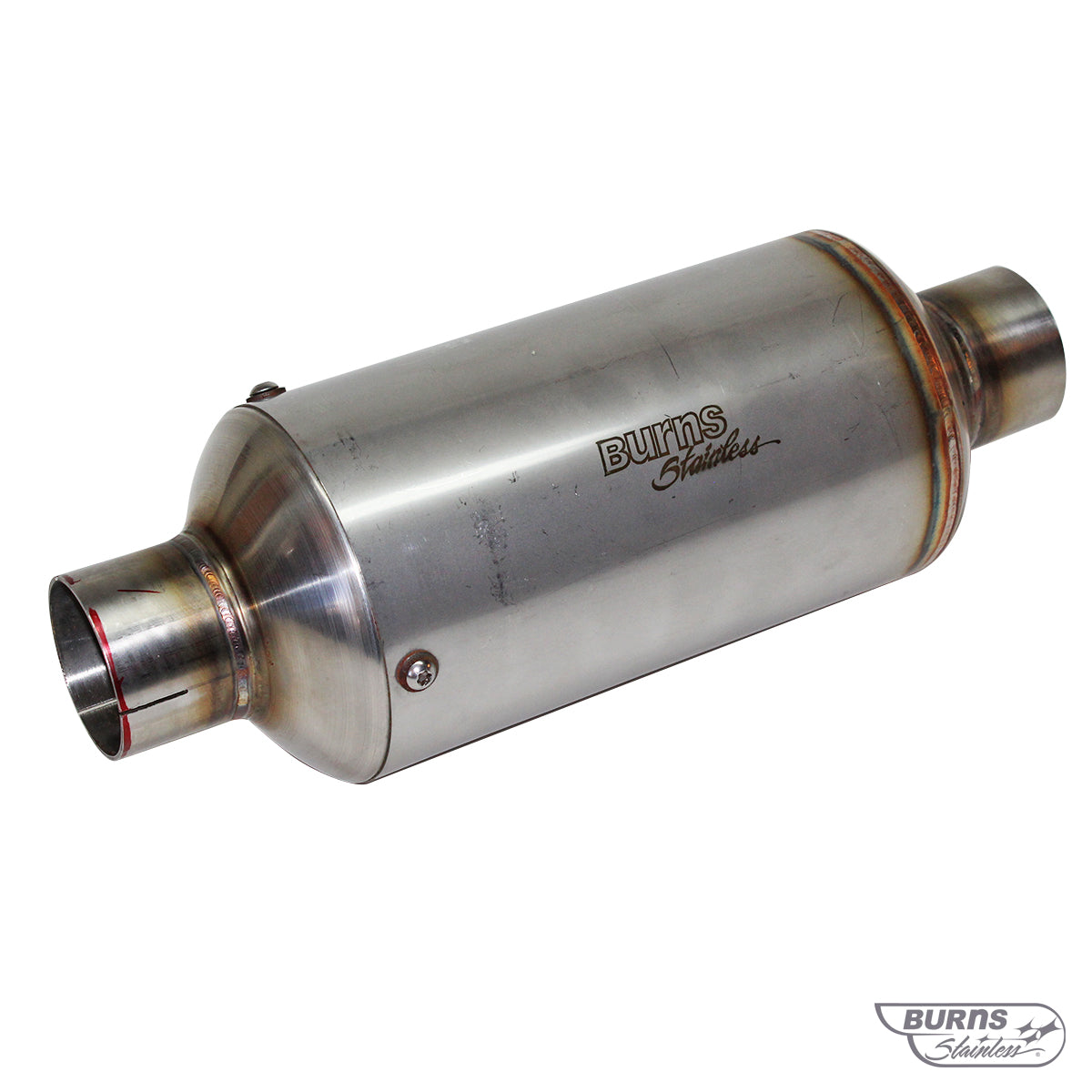
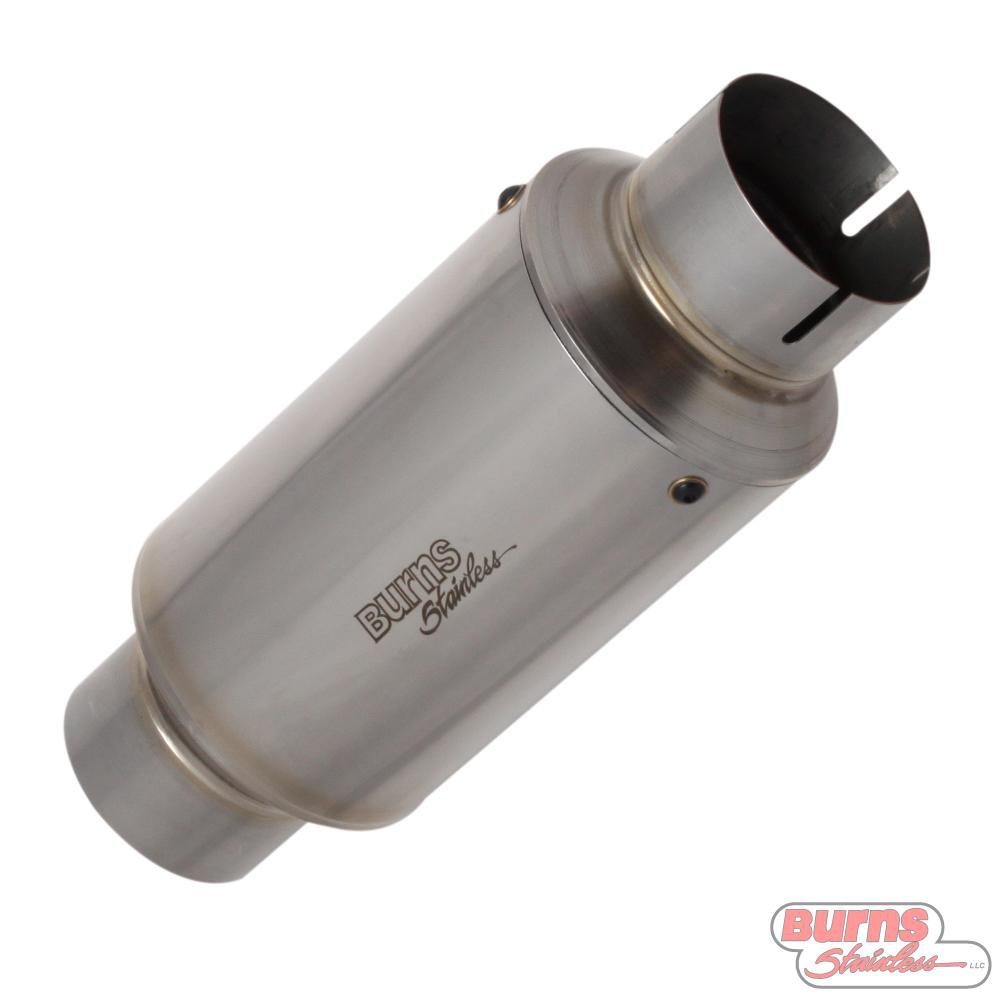
A properly engineered muffler can:
- Reduce reversion
- Stabilize wave behavior
- Improve midrange drivability
On street-oriented builds (where VsT systems typically live), muffler tuning is critical to maintaining rideability. On higher-horsepower BbM-style builds, muffler core size and flow must support increased volume without damping wave energy.
Loud does not automatically mean fast.
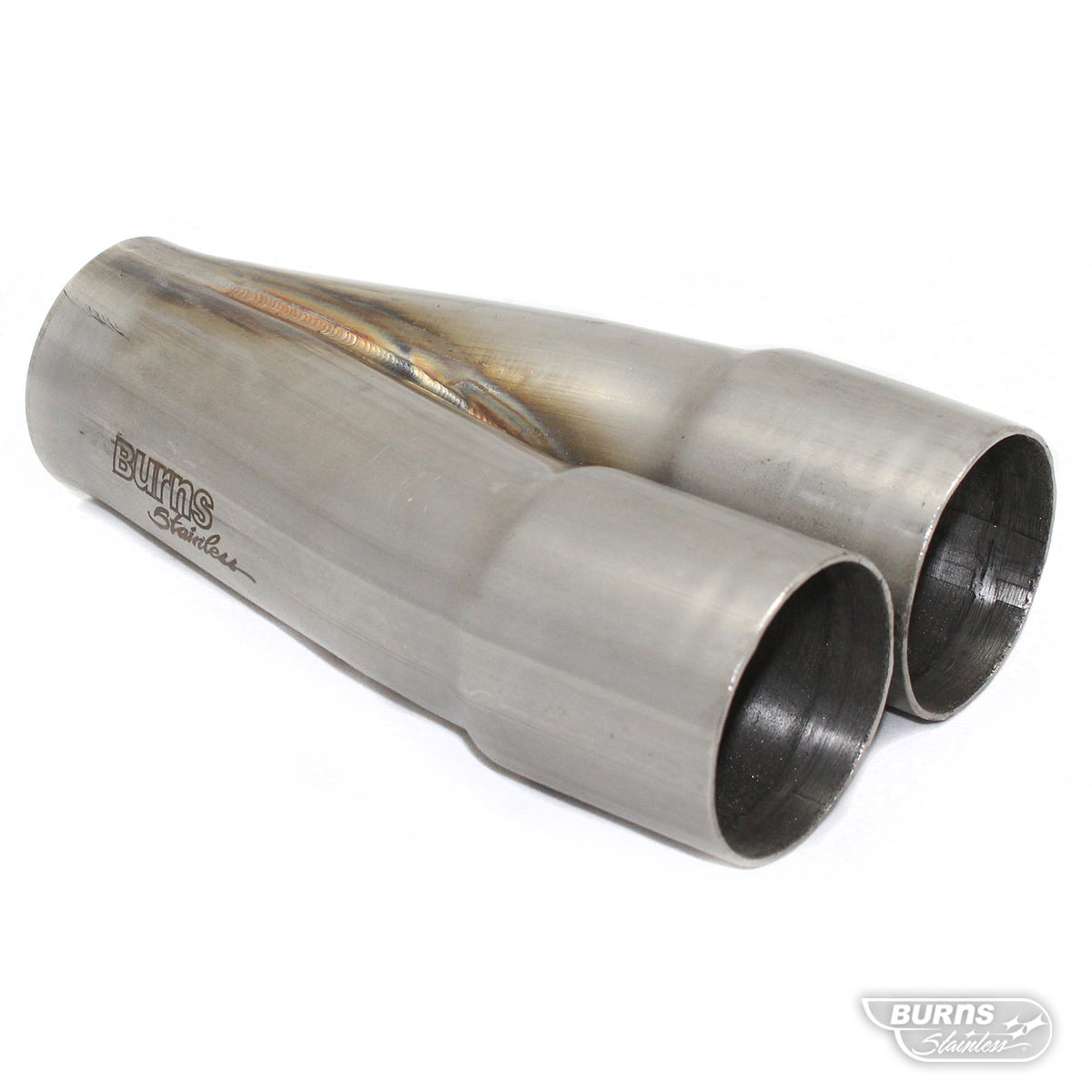
4. 2-Into-1 Always Beats Duals
A well-designed 2-into-1 system typically improves scavenging and torque on Harley engines.
But design matters.
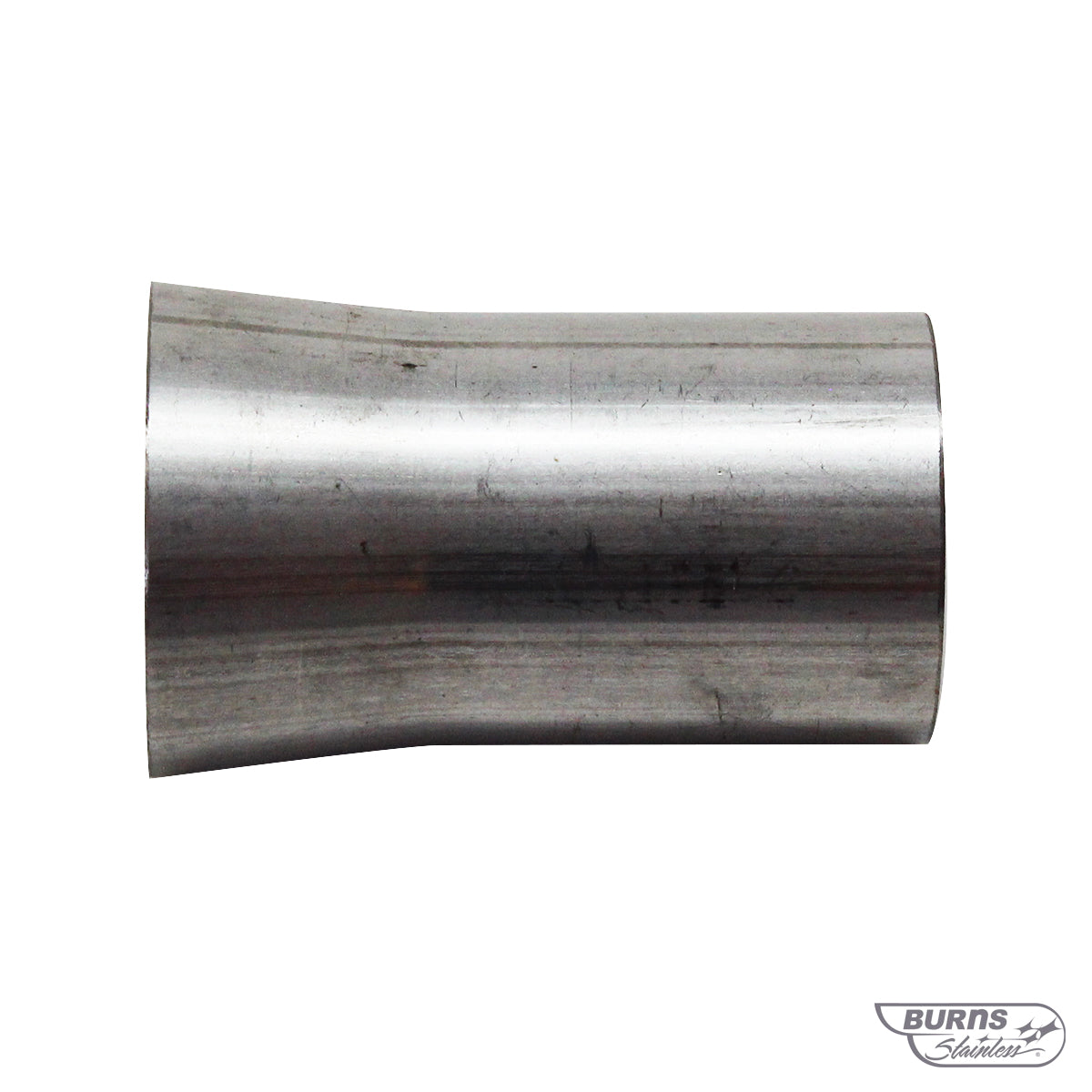
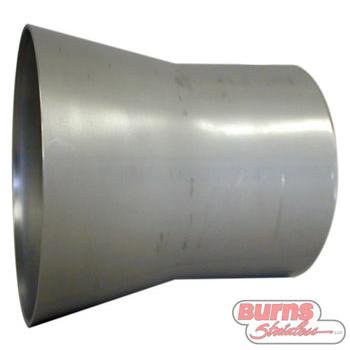
Collector merge angle, taper rate, and outlet diameter determine whether that 2-into-1 helps or hurts.
A properly tuned VsT collector prioritizes strong midrange and street response. A BbM collector is engineered to support sustained high-RPM flow and peak horsepower without choking the engine.
Configuration alone does not guarantee results.
Geometry does.
5. Supercharged Harleys Don’t Care About Exhaust
High-boost baggers may be less sensitive than naturally aspirated builds — but exhaust still matters.
In low-boost or street-driven applications, proper exhaust design:
- Improves throttle response
- Enhances spool characteristics
- Broadens usable torque
As boost and horsepower rise, exhaust flow demand increases dramatically. That’s why a 200+ HP forced-induction build should not be using the same exhaust geometry as a 150 HP street motor.
Boost doesn’t eliminate tuning.
It raises the stakes.
6. Titanium Exhaust Is Better
Titanium sounds impressive.
But most titanium headers are CP2 grade — chosen for formability, not sustained high-temperature strength.
In heavy touring or big-inch Harley applications:
- Vibration levels are high
- Heat cycles are long
- Duty cycles are extended
We routinely repair cracked titanium headers.
For durability in both VsT-level street builds and BbM-level high-output builds, high-quality stainless steel remains the superior material in most real-world applications.
Exotic does not mean durable.
7. Harley Exhaust Is Just Plumbing
It isn’t.
An M8 or Twin Cam engine is governed by pressure waves, gas velocity, and valve overlap — just like any race engine.
Exhaust systems on Harleys do three things:
- Control scavenging
- Shape torque delivery
- Influence rideability
If exhaust didn’t matter, professional King of the Baggers teams wouldn’t dyno test header changes.
It matters.
8. Ceramic Coating Always Adds Power
Coatings can help — when applied correctly.
Retaining heat inside the primaries increases gas velocity and strengthens scavenging waves. This is particularly beneficial in enclosed bagger applications where under-hood heat can affect intake charge density.
But coating quality matters. Poor application can cause cracking, flaking, or uneven thermal stress.
Coating is a tool — not a shortcut.
9. Collector Design Doesn’t Matter on a Street Bike
Collector design matters at every horsepower level.
For example:
- A VsT collector is engineered to balance wave strength and outlet size for builds up to roughly 180 crank HP, preserving strong midrange torque and street manners.
- A BbM collector is optimized for engines exceeding that threshold, where airflow demand and peak RPM increase substantially.
Undersize the outlet and you choke top-end power.
Oversize it and you soften the midrange.
Collector geometry determines how the engine feels — not just what the dyno sheet says.
10. All 2-Into-1 Systems Are Basically the Same
They are not.
Two systems may look similar but differ dramatically in:
- Primary diameter
- Step transitions
- Merge geometry
- Collector outlet size
- Muffler core design
Those differences completely change how the engine behaves.
This is precisely why a system designed for a 160 HP street build cannot simply be “scaled up” for a 220 HP race engine without redesigning the geometry.
Performance is in the details.
The Engineering Behind Harley Exhaust Performance
Modern M8 engines now exceed 200 crank horsepower in serious builds.
At those levels, exhaust tuning is not cosmetic. It directly influences:
- Cylinder scavenging
- Intake charge density
- Exhaust gas temperature
- Torque curve shape
- Engine durability
Exhaust systems are acoustic tuning devices governed by pressure-wave physics — regardless of whether they’re on a race engine or a bagger.
Why This Matters
Harley riders often modify displacement before fully understanding how exhaust design shapes performance.
At Burns Stainless, we design systems based on horsepower objective — not trends.
- If your build targets strong, broad torque up to roughly 180 crank HP, a properly engineered VsT system is designed to maximize street performance.
- If your goal is 190, 200, 220+ crank HP, a BbM system provides the airflow and collector geometry necessary to support that level without sacrificing stability.
We don’t guess.
We engineer around your horsepower goal and application.
If you want your exhaust sized correctly for your M8 or Twin Cam build, start here:
https://burnsstainless.com/pages/race-engine-spec-form
Because in Harley performance — just like racing —
Physics wins.