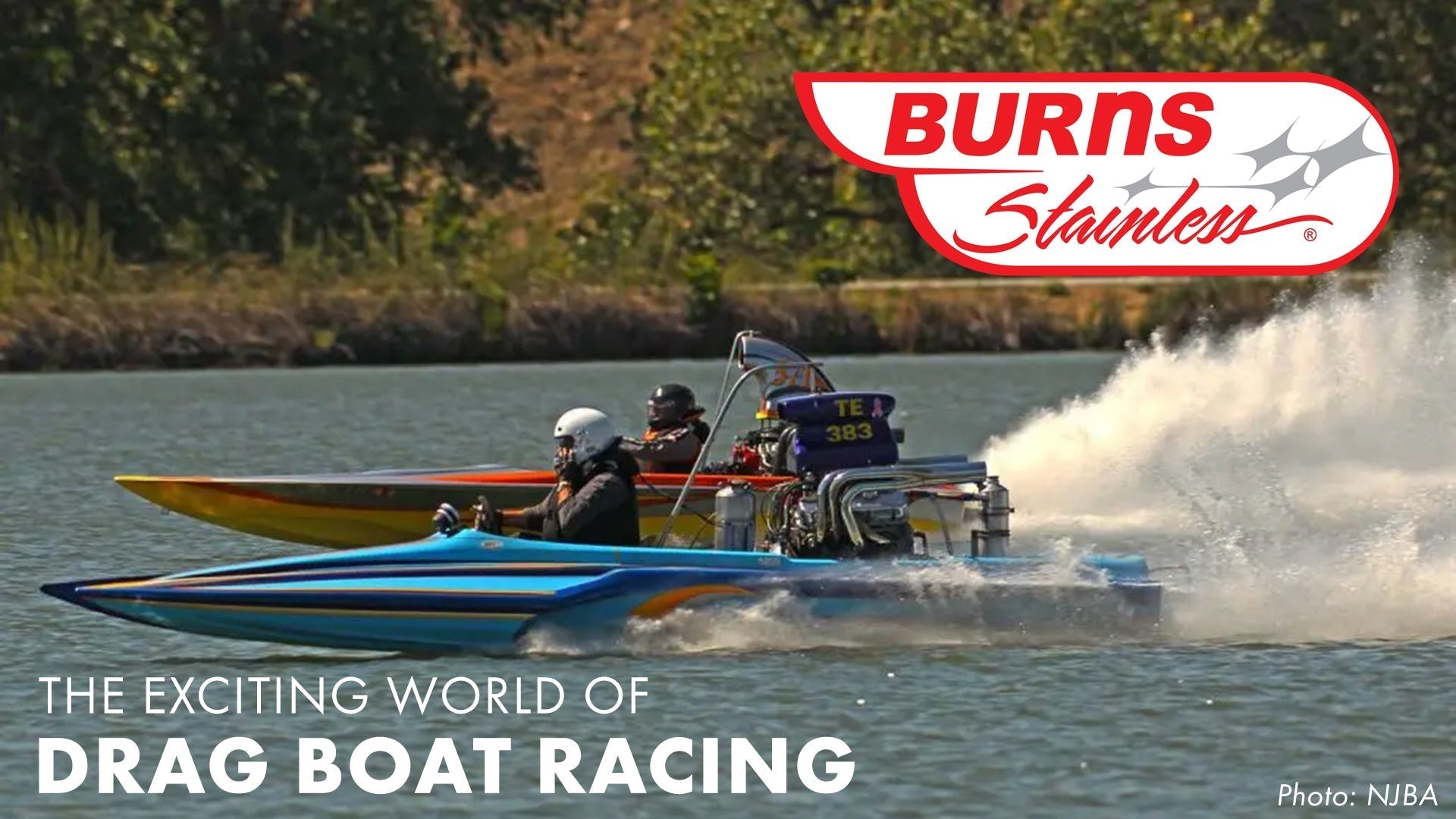
The countdown clock runs, I look over to my right and let go of the rope and head for the starting line. Adrenaline is at an all-time high as the throttle is smashed and the boat lunges forward. This is the excitement of Drag Boat Racing. If a boat crosses the starting line before the green light is illuminated during the competition, it is disqualified. It’s a good race and we push hard. What happens in seconds seems like an eternity.
Drag Boat Racing Starts Simple. Then It Gets Serious.
On paper, drag boat racing is easy to understand: two boats, one straight course, one finish line, and the lowest elapsed time wins. But the moment the rope drops, the clock starts, and a big-inch V8 comes alive on the water, everything changes.
Unlike land-based drag racing, the track is never truly fixed. Water moves. Wind shifts. The boat has to launch clean, set, carry the nose, stay hooked up, and keep accelerating without the benefit of tires planted on pavement. That is what makes drag boat racing one of the most demanding forms of straight-line motorsports.
For racers, it is not just about horsepower. It is about how that power is applied.

What Is Drag Boat Racing?
Drag boat racing is a water-based acceleration race where high-performance boats run side-by-side over a measured course. Depending on the class and sanctioning body, races may be contested over different distances, commonly including shorter sprint courses and longer professional-style passes.
The basic format feels familiar to anyone who understands drag racing. Boats qualify by elapsed time, compete in class eliminations, and advance round by round until a winner is determined. A legal start matters. Reaction, setup, consistency, and engine performance all matter.
The key difference is the launch. Drag boats typically do not leave from a dead stop like a car on a drag strip. Many classes use a short moving start before the boat breaks the starting beams. That system helps the boat settle into motion before it is asked to accelerate at full power.
From the shoreline, it looks wild. From the driver’s seat, it is calculated violence.

Why Drag Boat Racing Is Different From Land Drag Racing
The biggest difference is traction.
A drag car works against the surface of the track. A drag boat works through the water. That changes everything about the engine load, rpm behavior, exhaust requirements, and how the boat responds to power.
In a drag car, the tire, clutch, torque converter, and track surface all influence how the engine is loaded. In a drag boat, the propeller, jet drive, hull design, water conditions, and boat attitude play that role. The engine has to pull hard while the boat is climbing, settling, and accelerating across a surface that never stays the same.
That is why boat engine combinations cannot be treated like basic automotive swaps. A marine racing engine may share architecture with a big-block Chevrolet, Hemi, Ford, or other proven V8 platform, but the exhaust, rpm range, packaging, and load profile need to match the boat.
The right exhaust system is not decoration. It is part of the combination.
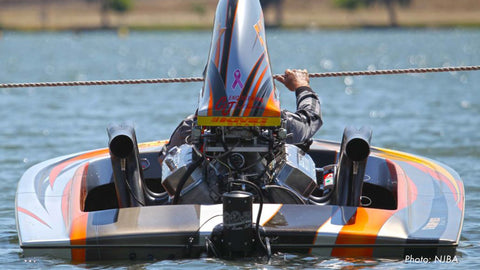
The Role of Exhaust in a Drag Boat
A high-performance marine engine needs to breathe. That sounds simple, but in drag boat racing, “breathing” means much more than bolting on a set of tubes and calling it done.
The header design influences scavenging, torque curve, throttle response, and how efficiently the engine moves exhaust gases out of the cylinders. Collector design affects pulse behavior and how the engine carries power through the run. Tailpipe and megaphone design can also influence how the engine responds at the rpm range where the boat needs to perform.
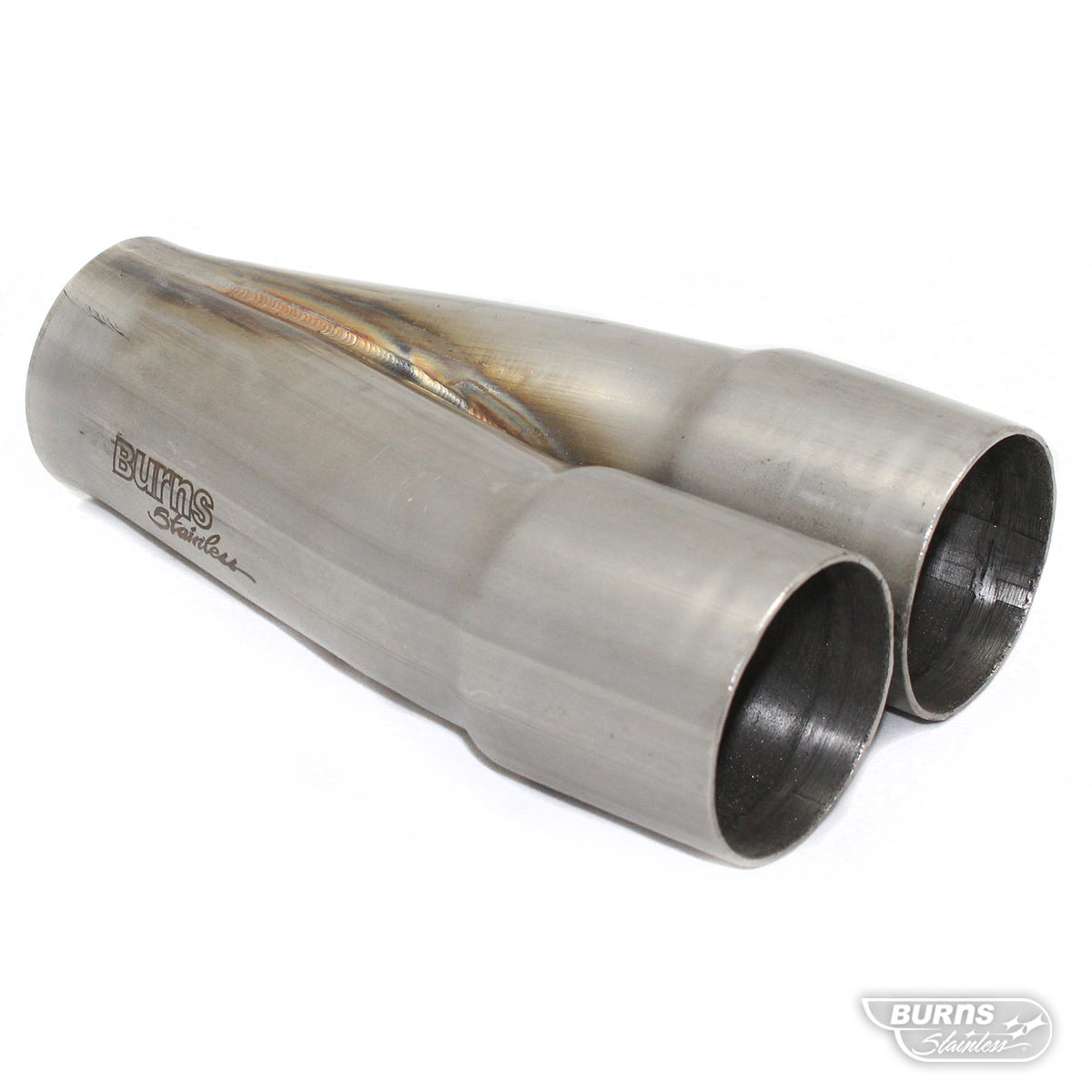
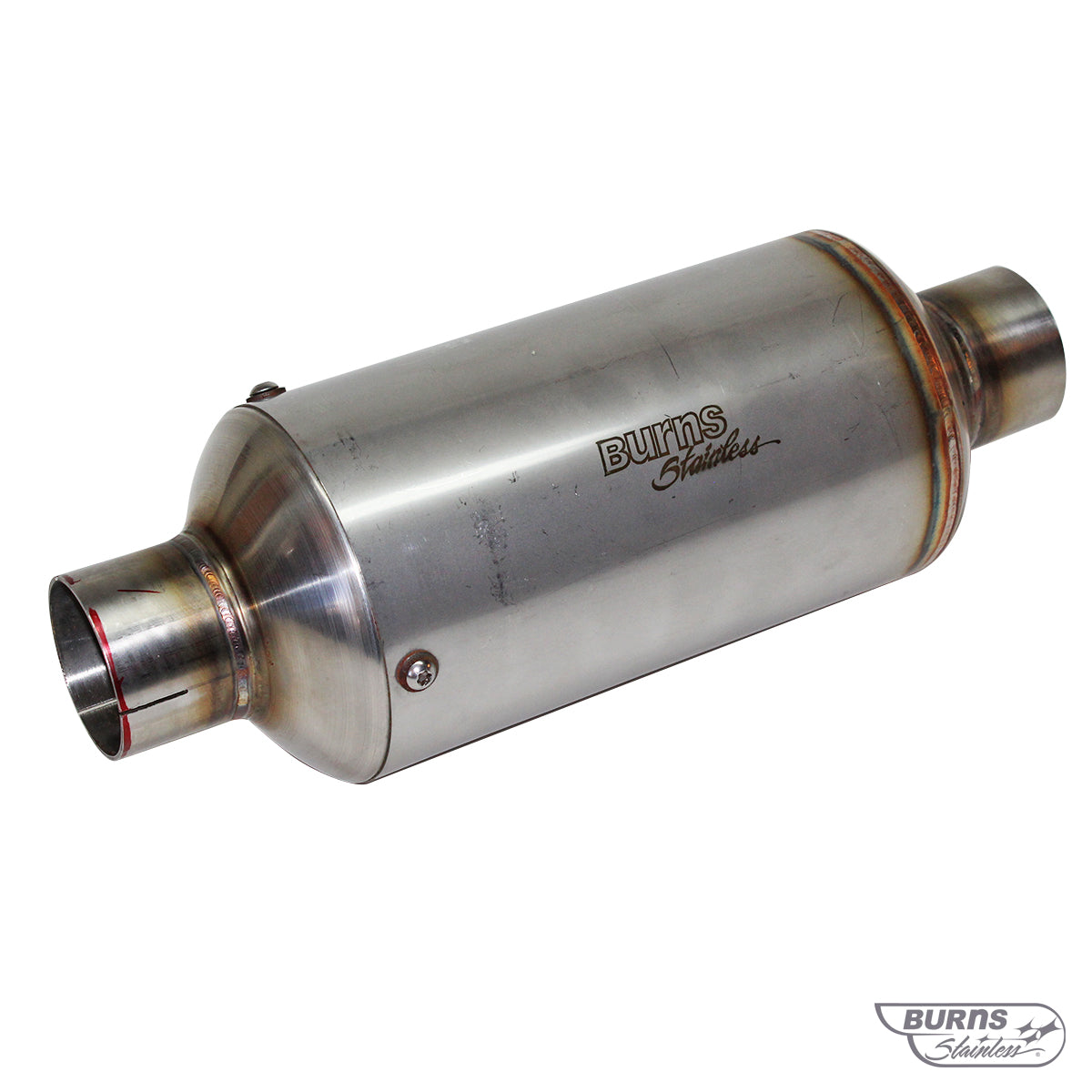
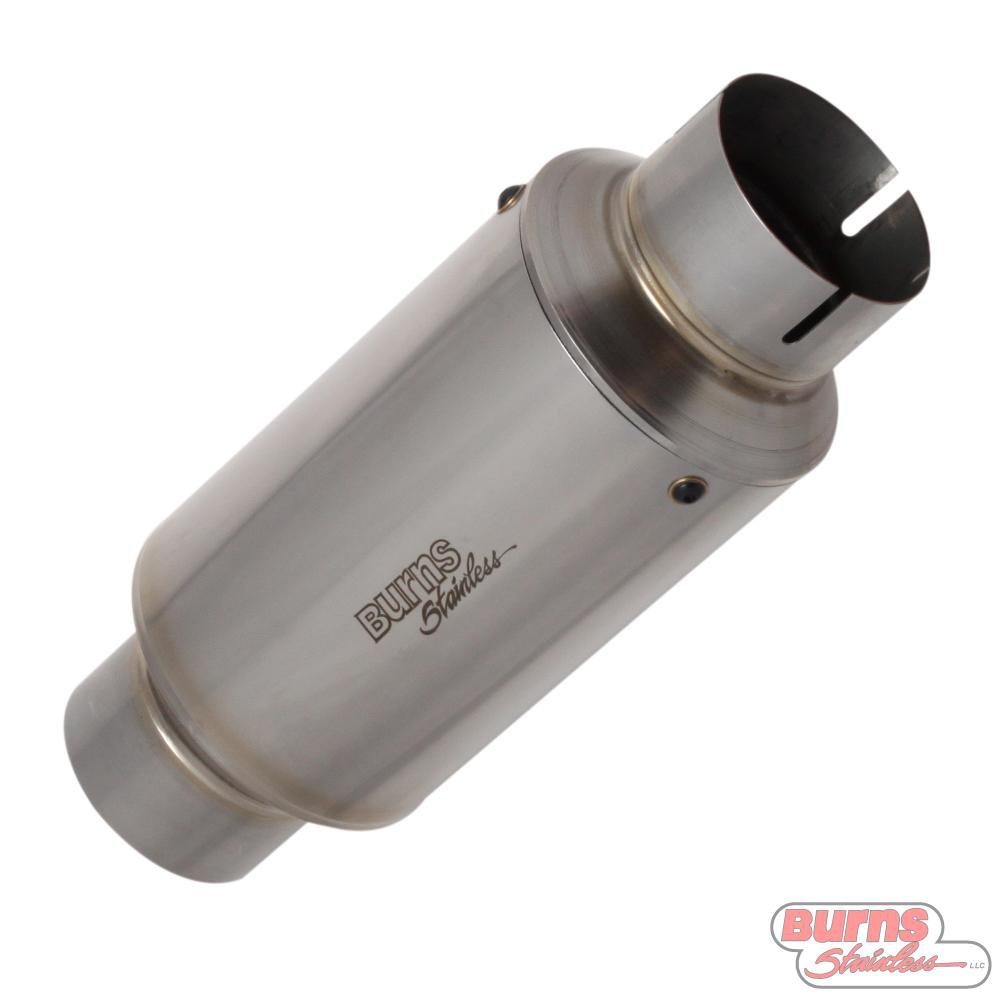
For naturally aspirated big-block V8 drag boat combinations, Burns Stainless has found that a properly designed 4-into-1 collector header paired with a reverse cone megaphone tailpipe can be an effective package. It helps the engine move air efficiently while supporting the kind of power delivery a competitive drag boat needs.
This is not about guessing. It is about matching the exhaust to the engine, the boat, and the class.

Why Stainless Steel Matters
Drag boat racing is hard on parts. Heat, vibration, moisture, and repeated high-rpm use all work against the system. That makes material selection critical.
Stainless steel is a natural fit for serious racing exhaust systems because it offers strength, durability, corrosion resistance, and thermal performance. For racers who care about consistency and long-term reliability, the material choice matters just as much as the layout.
A properly built stainless drag boat header is not just there to survive the weekend. It is there to support repeatable performance every time the boat goes to the rope.
Classes, Power, and the Sound of the Sport
Drag boat racing includes a wide range of classes, from sportsman-level boats to extreme professional categories. Some racers compete in bracket-style formats where consistency wins. Others chase heads-up performance, records, and maximum speed.
Hull designs vary. Engine combinations vary. Fuel types vary. Some boats run naturally aspirated engines. Others use nitrous, superchargers, turbochargers, or nitromethane combinations. At the highest levels, Top Fuel Hydro boats represent some of the most extreme acceleration in motorsports.
But across every class, the fundamentals remain the same: get the boat launched clean, keep the engine happy, stay in the lane, and make the best pass possible.
That is why the best race teams do not treat exhaust as an afterthought. They treat it as a tuned component.

Burns Stainless and Drag Boat Exhaust Design
Burns Stainless has spent decades helping racers get more from their engines through smarter exhaust design. Whether the application is road racing, drag racing, off-road, motorcycle performance, or marine competition, the job is the same: build the right system for the engine’s real operating environment.

For drag boat racers, that means understanding more than horsepower. It means looking at displacement, rpm range, camshaft profile, cylinder head flow, intended class, hull type, and how the boat applies load during the pass.
That is where Burns Stainless’ X-Design Parametric Exhaust Modeling Program becomes valuable. Instead of starting with a catalog guess, racers can begin with engine data and application details. Burns can then help determine header dimensions, collector configuration, and exhaust layout based on the combination.
If you are building or updating a drag boat exhaust system, the best place to start is the Race Engine Specification Form. The more accurate the information, the better the recommendation.
The Right Parts for the Right Combination
A competitive drag boat exhaust system may include:
- Stainless steel primary tubing
- Precision-formed bends
- 4-into-1 collectors
- Merge collectors
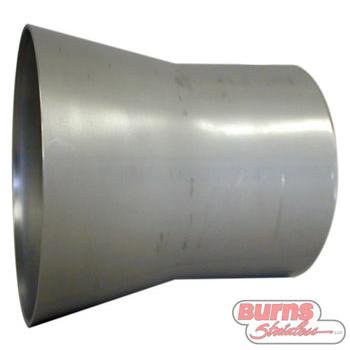
- Reverse cone megaphones
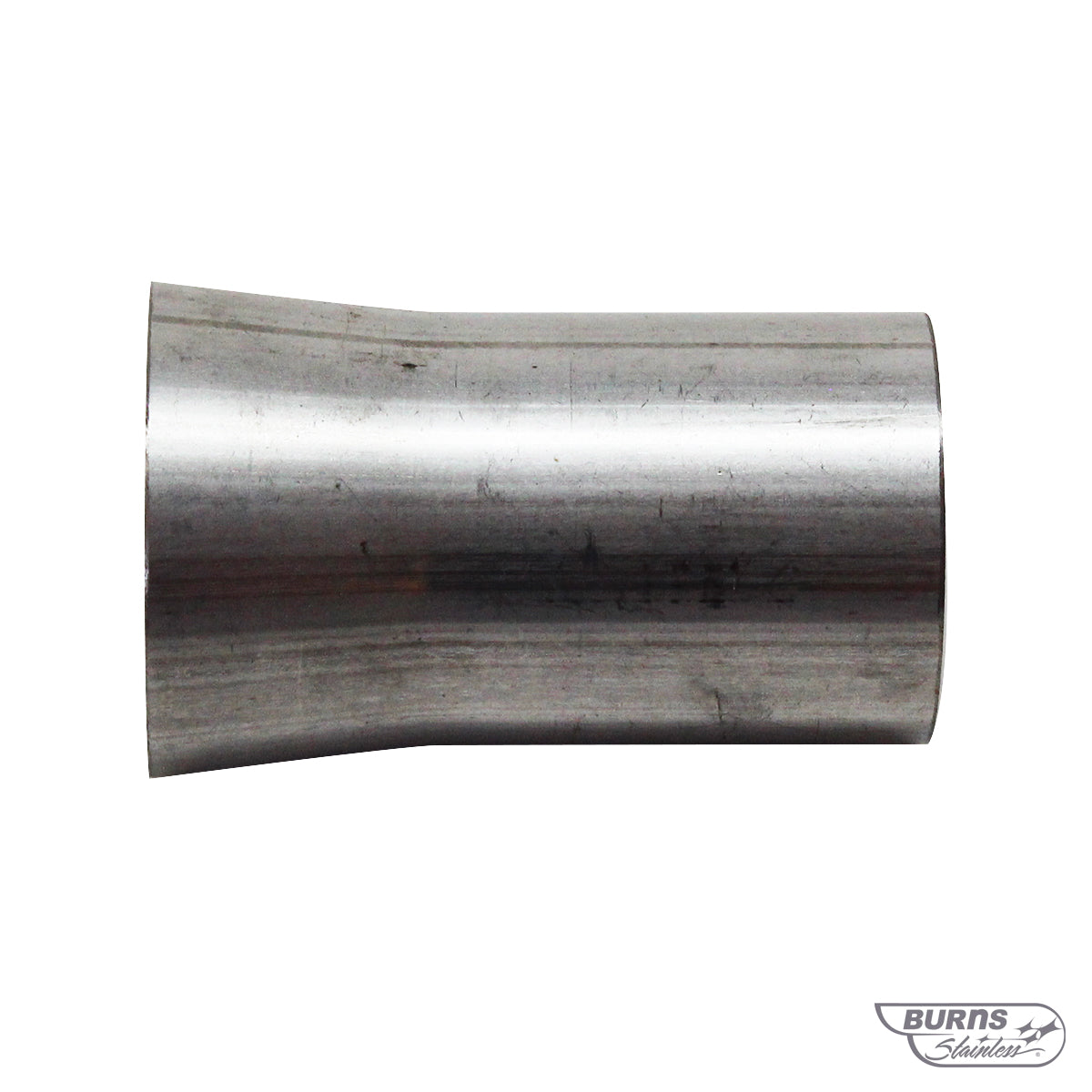
- Transitions and slips
- V-bands, tabs, flanges, and fabrication hardware
The right combination depends on the engine and the intended use. A naturally aspirated big-block lake racer will not need the exact same system as a high-output race-only setup. A bracket boat may prioritize consistency and durability. A heads-up boat may chase every usable advantage in the curve.
That is why buying the right parts starts with knowing the goal.
Built for Racers Who Know the Difference
Drag boat racing rewards preparation. The best teams do the work before the boat ever touches the water. They check the tune, inspect the hardware, read the weather, study the water, and make sure the engine combination is ready to do its job.
The same thinking should apply to the exhaust system.
A well-designed header and collector package helps the engine work the way it was built to work. It supports the power curve. It improves efficiency. It gives the racer a better foundation for tuning. Most important, it removes guesswork from one of the most important systems on the boat.
If you are serious about drag boat racing, do not build the exhaust last. Build it into the plan from the beginning.
Ready to Build a Better Drag Boat Exhaust System?
Whether you are freshening an existing big-block V8 drag boat, stepping up to a new class, or building a new combination from scratch, Burns Stainless can help you choose the right exhaust components for the job.
Start with the Race Engine Specification Form, share the details of your engine and application, and let Burns Stainless help you design a system built for power, durability, and race-day consistency.
Because on the water, the stopwatch does not care what you meant to build. It only knows what works.