
The story of Harley-Davidson drag racing isn’t just about motorcycles. It’s about the places where they proved themselves. "Ten Dragstrips that Built Harley-Davidson Drag Racing in America" explores dragstrips as laboratories of speed. A quarter mile of asphalt becomes the proving ground where ideas about airflow, exhaust scavenging, combustion, and courage either survive, or explode trying.
Over the past several decades, Burns Stainless has supplied exhaust components and fabrication hardware to many Harley-Davidson drag racing teams across the country. Through those racers and builders, we’ve had a front-row seat to the tracks that shaped the sport. These are ten dragstrips where Harley-Davidson drag racing was forged.

1. Indianapolis Raceway Park (Lucas Oil Raceway – Indianapolis, Indiana)
Few tracks in American drag racing carry the prestige of Indy, home of the legendary NHRA U.S. Nationals. For motorcycle drag racers, Indy has always been the ultimate proving ground. Professional legends like Angelle Sampey have competed on this stage, while engine builder and team owner George Bryce helped push the technical development of modern Pro Stock Motorcycle racing. Burns Stainless worked alongside George and Angelle to make their motorcycles perform.
Indianapolis Raceway Park has produced countless memorable moments, but for Harley-Davidson fans, few match the 1996 U.S. Nationals. It was here that Jim McClure, the legendary "Da Judge," became the first person to break the six-second barrier on a Nitro Harley-Davidson at an NHRA-sanctioned event. Staging his monster V-Twin at Indy, McClure thundered down the quarter mile in 6.97 seconds, proving that the pushrod Harley engine could compete with the quickest machines on the planet. While Larry McBride would later take motorcycles into the five-second zone, it was McClure’s "six" at Indy that cemented the Harley-Davidson’s place in the history of elite drag racing.
2. Gainesville Raceway (Gainesville, Florida)
The NHRA Gatornationals mark the traditional start of the professional drag racing season. Teams arrive after months of winter development with new engine combinations, new clutch setups, and new ideas about airflow and exhaust tuning. The legendary Floridian “mineshaft” conditions of the cold, dry winter air supercharge these engines, resulting in extraordinary ETs and speeds.
Championship racer Angelle Sampey and the Star Racing program led by George Bryce have both built strong reputations competing in Gainesville’s early-season battles. Other Harley drag racers such as Adam Herbert, a Burns Stainless customer, represent the grassroots side of the sport that continues pushing V-twin performance forward in the Florida humidity.
3. Beech Bend Raceway Park (Bowling Green, Kentucky)
Beech Bend has long been one of the most important gathering places for motorcycle drag racing. Its central location and large event facilities made it a natural host for major Harley drag racing events, drawing competitors from across the country. During the growth of Harley-specific racing organizations such as AHDRA and AMRA, Beech Bend regularly hosted national events where riders battled for points and prestige throughout the season.
For many Harley racers, Beech Bend became known as a place where the sport’s community came together—part competition, part reunion. Racers such as Joey Schaffner, Ken Miller, and Brad Oeler—all Burns Stainless customers—were part of the generation of Harley racers constantly refining engine combinations, clutch setups, and exhaust systems in pursuit of faster elapsed times under the Kentucky sun.

4. Rockingham Dragway (Rockingham, North Carolina)
Rockingham Dragway has long been one of the most important tracks for Harley-Davidson drag racing on the East Coast. For many seasons, the AMRA scheduled their final race of the year at "The Rock," turning the track into a championship battleground where season titles were decided.
By the time racers arrived in North Carolina, months of development and competition had already played out across the country. Teams rolled into Rockingham knowing the entire season could come down to a few passes. Riders pushed their machines harder than ever, and crew members worked late in the pits making clutch adjustments. Racers such as George Basore, Russ Rech, and Bill Fisher—all Burns Stainless customers—competed during the era when Rockingham served as one of the sport’s most important V-twin stages.
5. Atco Dragway (Atco, New Jersey)
Atco Dragway opened in 1960 and quickly became one of the most respected drag strips on the East Coast. Located in southern New Jersey, the track attracted racers from Philadelphia, New York, and Baltimore. Many racers considered Atco a benchmark surface—if a machine hooked up and ran fast at Atco, it could run fast almost anywhere.
East Coast Harley racers frequently competed there during the years when organizations like AHDRA and AMRA held major events. Riders including Louis Giusto, Eric Rodgers, and Jack Wagner—all Burns Stainless customers—were part of the generation who refined powerful V-twin combinations at Atco. After more than sixty years, Atco Dragway closed at the end of the 2023 season, eventually being sold for use as a vehicle storage and auction site. Its closure marked the end of one of the most historic tracks in Northeast racing history.
6. Bandimere Speedway (Morrison, Colorado)
Located nearly 6,000 feet above sea level, Bandimere Speedway is famous for forcing racers to rethink their tuning strategies. The thin summer air dramatically reduces engine power, making efficient airflow critical. This is where the Burns Tunable Exhaust Collector (BTEC) shines, allowing racers to adjust their exhaust scavenging to compensate for the high density-altitude. Harley racers including Ken Miller and Brad Oeler have competed in these conditions, where careful engine development and exhaust tuning become the difference between a round win and a trailer loading.
7. Bristol Dragway (Bristol, Tennessee)
Bristol Dragway is known as "Thunder Valley," a name earned from the way sound echoes between the surrounding mountains. When nitro motorcycles launch down the strip, the noise reverberates through the valley with a physical force.
A significant history-making moment occurred at the 2023 Thunder Valley Nationals when the Vance & Hines Harley-Davidson team continued their dominant streak, but more importantly, it was the site where Ryan Oehler captured a dramatic "holeshot" victory on his S&S-powered EBR V-Twin. Racers such as John Hammock and Andy Simon, both Burns Stainless customers, competed during the years when motorcycle drag racing events at Bristol helped grow the sport across the Southeast.
8. Memphis International Raceway (Millington, Tennessee)
During the growth of Harley-Davidson drag racing in the 1990s and early 2000s, Memphis became a regular stop for the AHDRA. The track’s smooth racing surface and hot Southern air created ideal conditions for powerful V-twin drag bikes that relied on careful clutch management and efficient airflow.
Racers such as Joey Schaffner and Russ Rech competed during this era when Harley drag bikes were rapidly evolving into purpose-built racing machines. One memorable moment came when Tennessee’s own Jay Turner brought his nitro-burning Harley to Memphis for exhibition runs. When the bike fired and staged under the lights, the exhaust thunder rolled across the grandstands as Turner launched down the strip in a blast of flame and noise that few fans forgot.

9. Summit Motorsports Park (Norwalk, Ohio)
Formerly known as Norwalk Raceway Park, Summit Motorsports Park has earned a reputation as one of the best-prepared drag racing surfaces in the country. For Cleveland native Chris Streeter, Norwalk was more than just a legendary venue; it was his home turf. A two-time AHDRA Pro Fuel National Champion and a long-time Burns Stainless customer, Streeter’s career epitomized the technical "laboratory" of the dragstrip.
Streeter’s approach to his Pro Fuel Harley was a masterclass in functional engineering. Seeking a competitive edge, he turned to Burns Stainless to solve a specific set of high-speed challenges. Traditional "turned-out" exhaust pipes on Nitro Harleys often created aerodynamic instability and directed searing heat toward the rider’s feet.
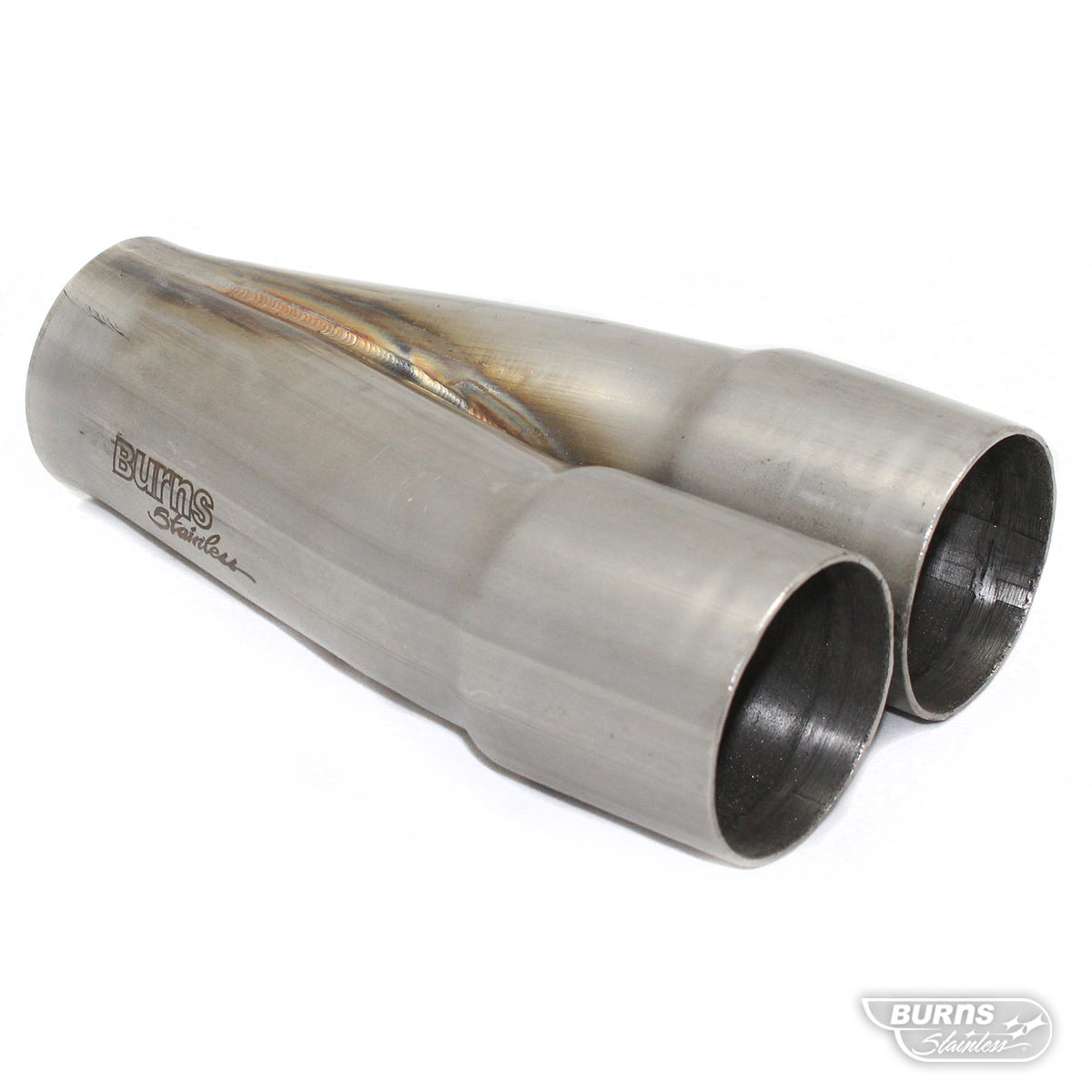
By implementing a Burns Merge Collector, Streeter was able to merge the violent exhaust pulses and redirect them straight to the rear. This not only eliminated the side-thrust that could unsettle the bike at mid-track but also harnessed the raw "thrust" of the nitro-burning engine to help propel the bike forward.
Critically, the move to a collector provided the added benefit of a fully tuned exhaust system. By optimizing the primary lengths and collector diameter, Streeter improved the exhaust scavenging, pulling spent gases out of the cylinder more effectively. This allowed for a cleaner, more powerful intake stroke, providing the extra horsepower needed to win at the highest level.

One of his most memorable performances at Norwalk occurred during the 2005 AHDRA Ohio Nationals. Competing in front of a hometown crowd, Streeter and his FBM Racing team used this technical advantage to its fullest. In a high-stakes final against Mike Lehman, Streeter launched hard, his bike tracking straight and true as the tuned, collector-equipped exhaust screamed down the quarter mile. He crossed the beams with a blistering 6.87-second pass at 194 mph to take the win, proving that in drag racing, the right exhaust geometry is just as important as the fuel in the tank.
10. Milan Dragway (Milan, Michigan)
For decades, Milan Dragway served as one of the most important grassroots facilities in the Midwest. Located between Detroit and Toledo, the track became a natural gathering point for racers developing high-performance engines in the heart of America’s automotive industry.
For motorcycle racers, Milan was often a proving ground before moving on to larger national events. Harley racers such as Adam Herbert and Ken Miller spent time competing and testing at Milan while refining engine combinations, clutch setups, and exhaust systems. One of the more memorable recent events was when the AHDRA returned to Milan for the Southern Michigan Bikefest, bringing Top Fuel Harleys launching flames and thunder down the strip.
Legends Who Pushed Harley Drag Racing Forward
While thousands of racers helped build the sport, these legendary riders pushed the Harley-Davidson name into the winner's circle through sheer engineering will:
- Elmer Trett: Widely considered the greatest motorcycle drag racer of all time. Trett was the first to top 200 mph on a motorcycle and was the primary innovator behind the modern Nitro Harley.
- Jim McClure: Known as "Da Judge," McClure was the face of Harley-Davidson drag racing for decades. He was a master tuner who proved that a fuel-injected Nitro Harley could be both reliable and record-breaking.
- Ray Price: The "Father of the Funny Bike." Price was a mechanical genius who designed the first wheelie bars and the first two-speed automatic transmission for drag bikes.
- Bonnie Truett: A pioneer of the 1970s and 80s, Truett was instrumental in developing the specialized frames and engine components that allowed Harleys to handle the massive torque of nitromethane.
The Engineering Behind the Power
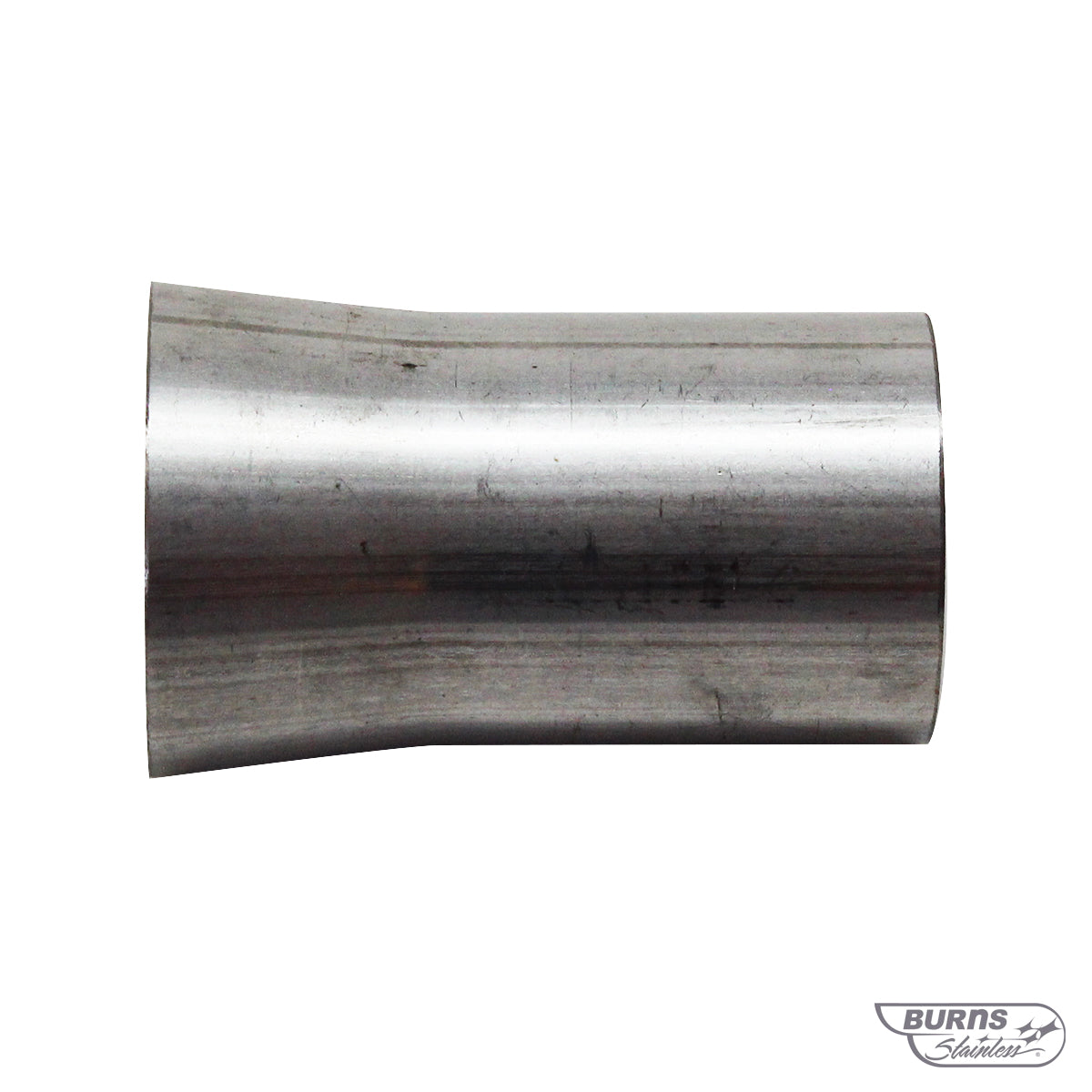
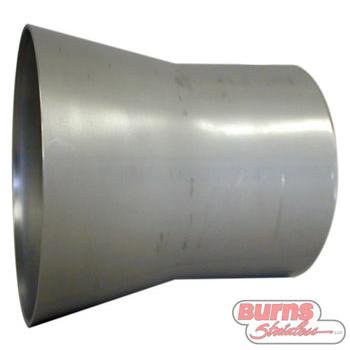
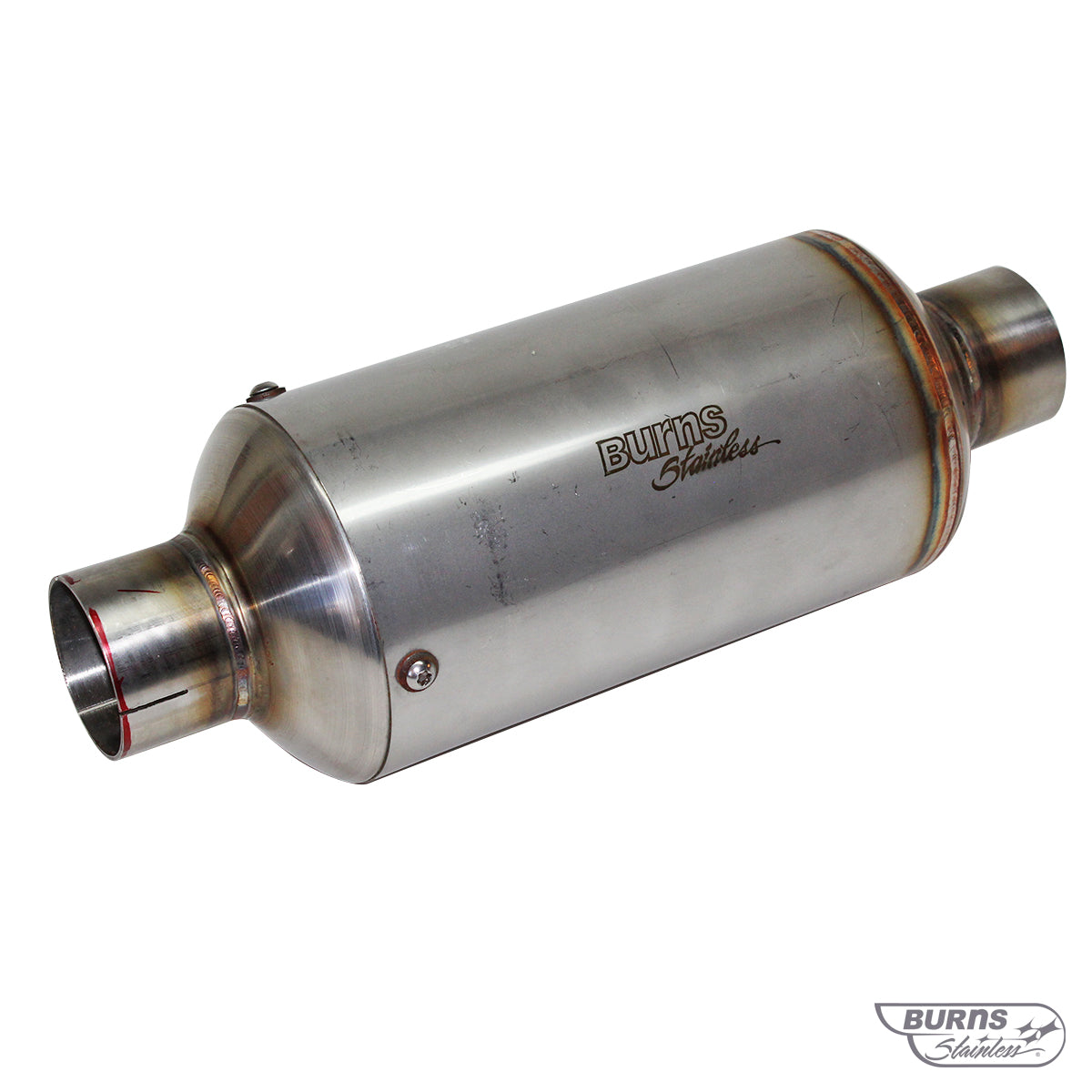
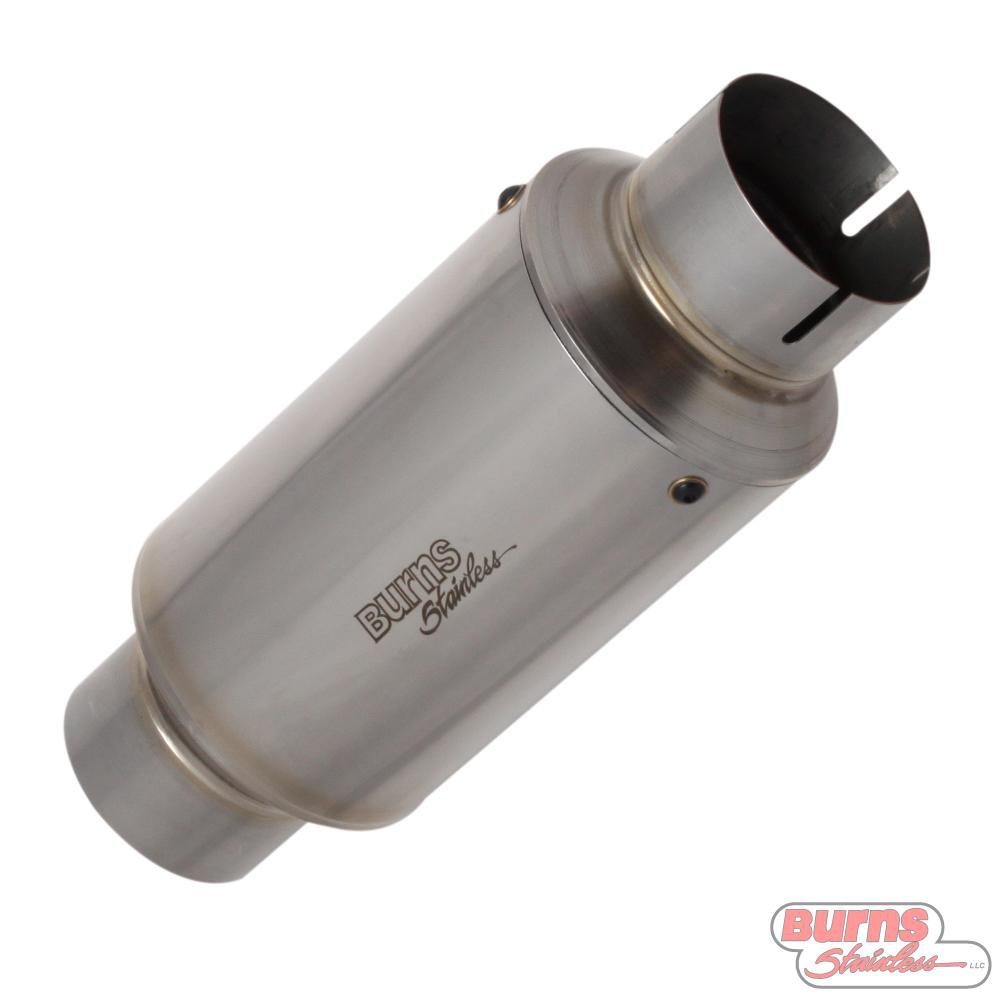
While these dragstrips provided the stage, the real story of Harley-Davidson drag racing is engineering. High-performance V-twin engines demand carefully designed airflow from the intake port to the end of the exhaust system. This is where Burns Stainless has played a role for many racers. Precision-fabricated stainless exhaust components—including merge collectors, transitions, and fabrication hardware—help racers optimize exhaust scavenging and maintain consistent performance under the most extreme conditions imaginable.
For Harley-Davidson racers, the tradition continues to evolve—but the mission remains the same: Build faster machines. Push engineering forward. And prove it where it counts. On the strip.