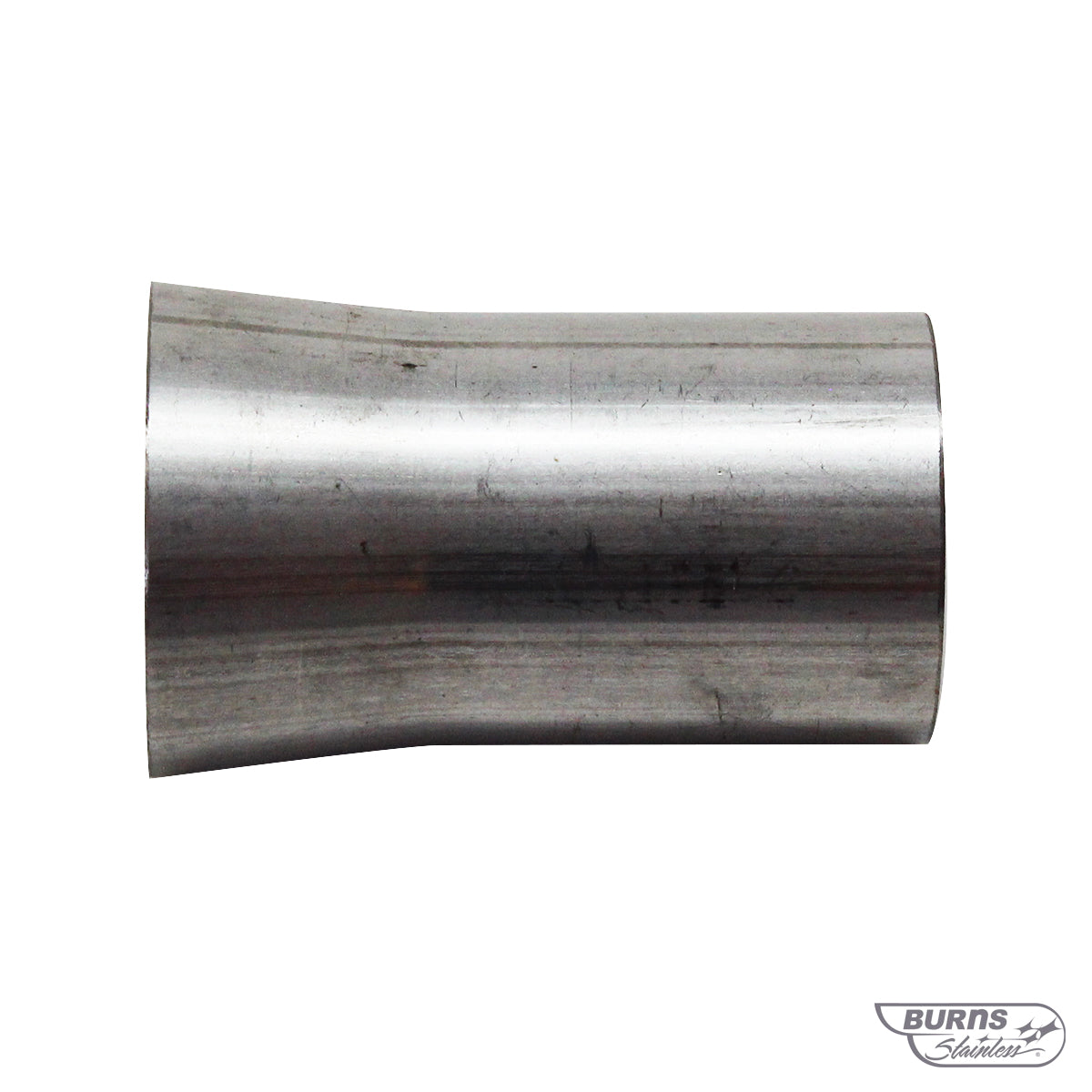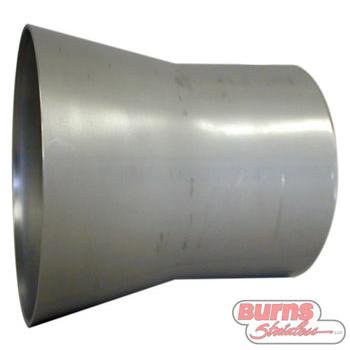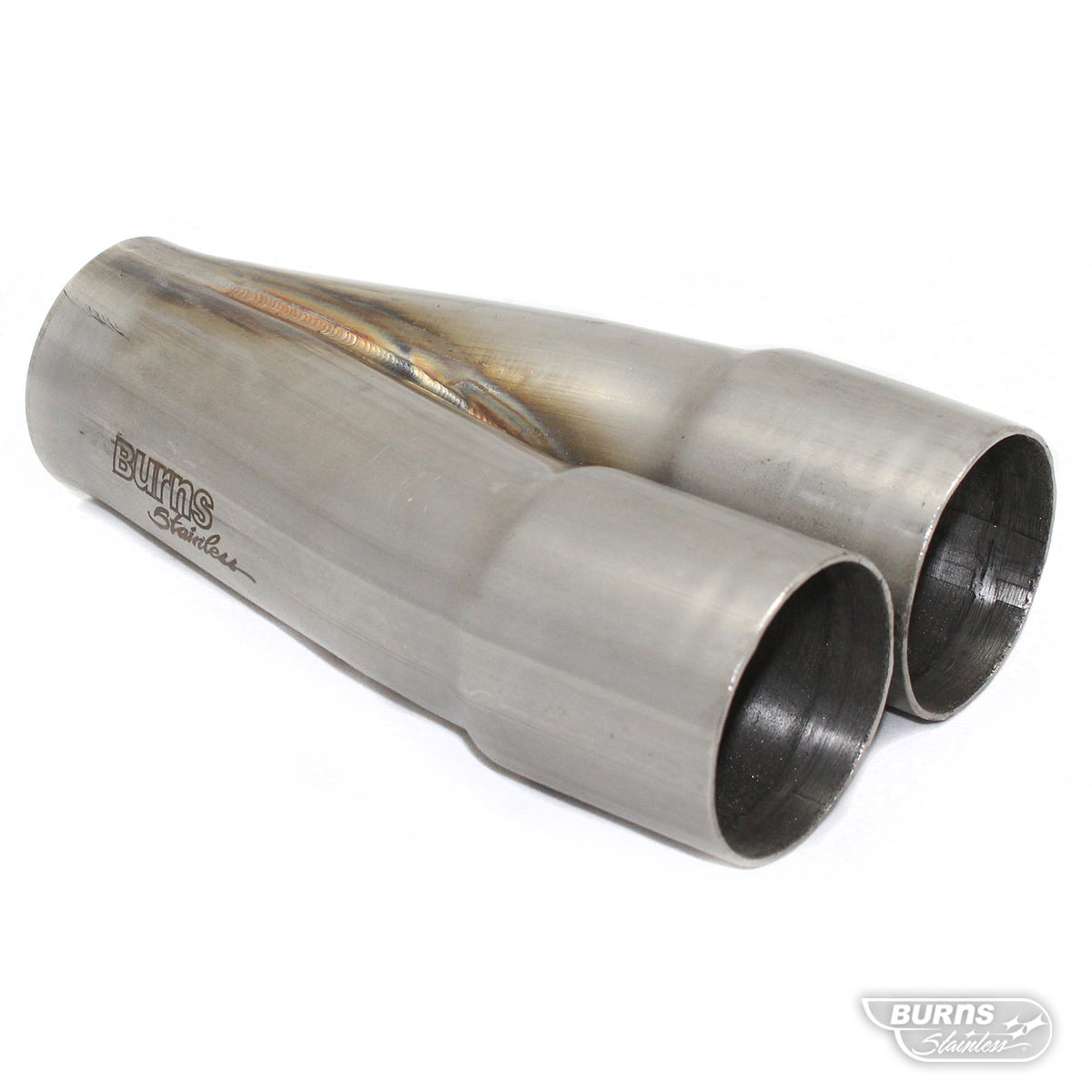

When it comes to merge collectors, one of the most misunderstood areas is the collector outlet size. At first glance, many builders look at the outlet and assume it is too small to support the power their engine makes. In reality, that smaller outlet is often exactly what helps the system work properly.
A merge collector does not have every cylinder flowing through it at the same time. In an internal combustion engine, only one cylinder is firing at a given moment, so the collector outlet is designed around the actual exhaust pulse activity, not simply the combined size of all the primary tubes. That is why the correct outlet size may look smaller than expected.
RPM plays a major role. At very high engine speeds, exhaust flow begins to act more like a continuous stream, and the ideal collector outlet size typically gets larger. A high-rpm engine may need a larger outlet than a lower-rpm engine making similar horsepower.
So how do you find the right size?
The first method is dyno testing. By testing multiple collector configurations, engine builders can see exactly what the engine wants. The downside is cost, time, and the amount of data involved.
The second option is Burns Stainless’ XDesign program. Using engine specifications, XDesign calculates a complete header and collector package, including primary diameter, primary length, collector outlet size, tailpipe size, and more. It is a practical way to get very close to the right combination without building and testing endless parts.
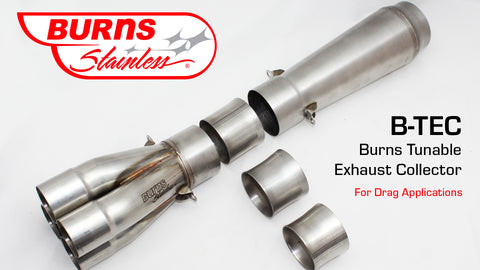
The third option is the Burns Stainless B-TEC system, short for Burns Tunable Exhaust Collector. Also known as Dyno-Sys, this setup allows engine builders and racers to change Venturi sections inside the collector. Instead of building a new collector for every test, the user can swap outlet sizes and test different combinations on the dyno or even at the track.
That adjustability matters. A racer running in cool, dense air may want a larger Venturi to support more horsepower. The same car racing in hot, thin air at altitude may respond better to a smaller Venturi. With a tunable collector, those changes can be made without starting from scratch.
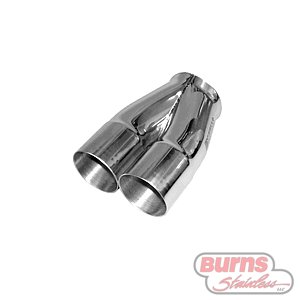
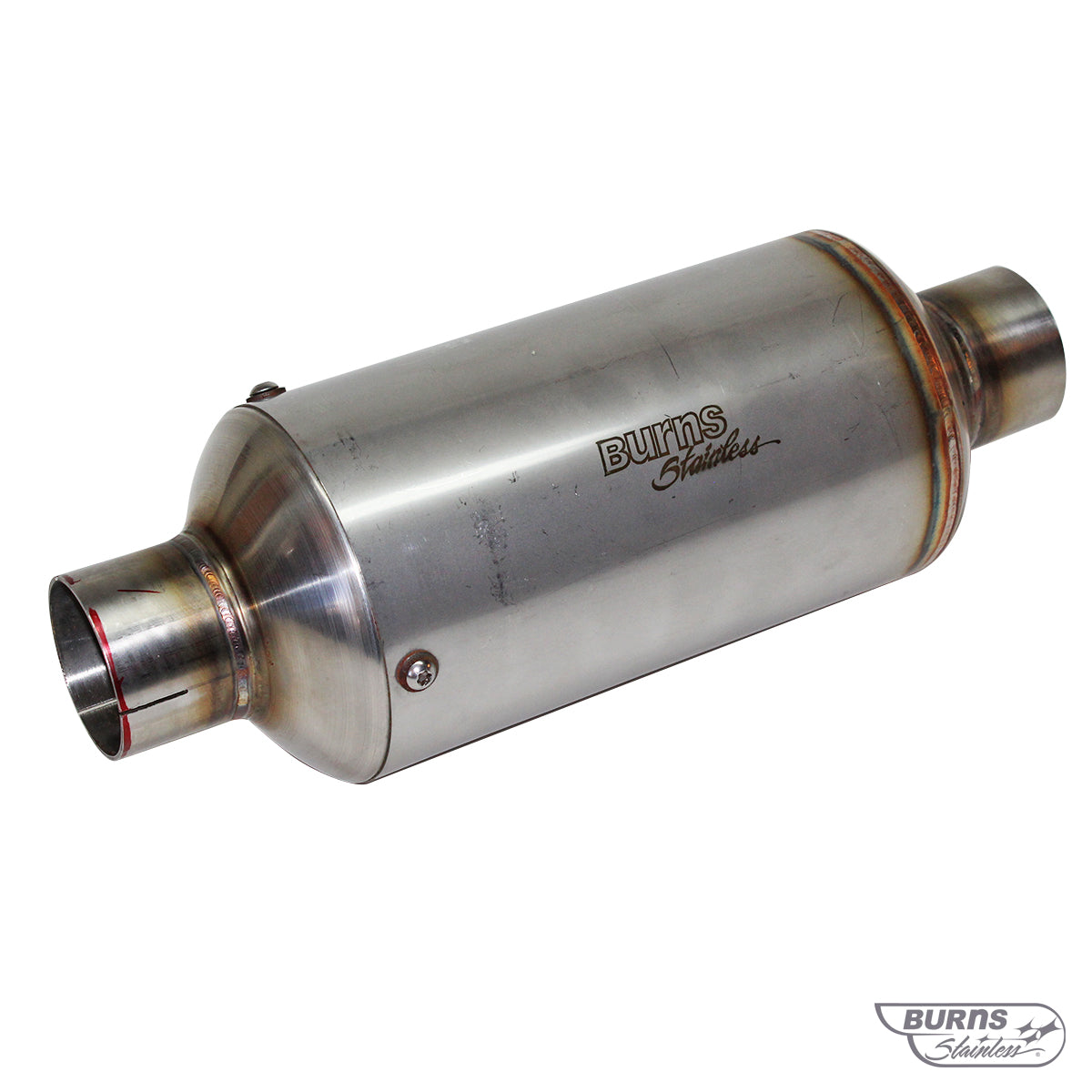
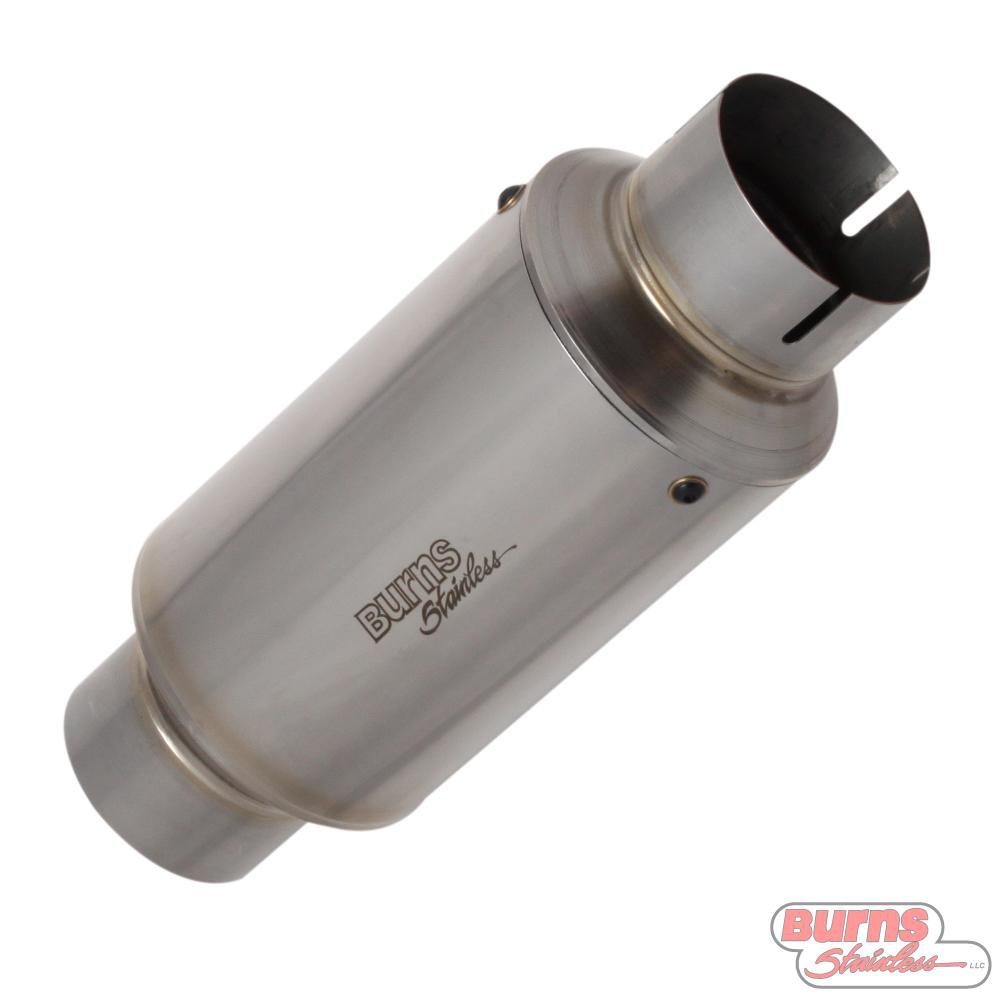
Burns has built tunable collector systems in several configurations, including four-into-one, five-into-one, two-into-one, megaphone, reverse cone megaphone, straight tailpipe, and even muffled setups. This gives serious builders the ability to test collector outlet size, megaphone length, reverse cone effects, tailpipe length, and muffler combinations.
Collector outlet sizing is not guesswork. It is part of a complete exhaust system strategy. Whether you get there through dyno testing, XDesign, or a tunable B-TEC collector, the goal is the same: build an exhaust system that supports the engine, the rpm range, and the conditions where it actually runs.