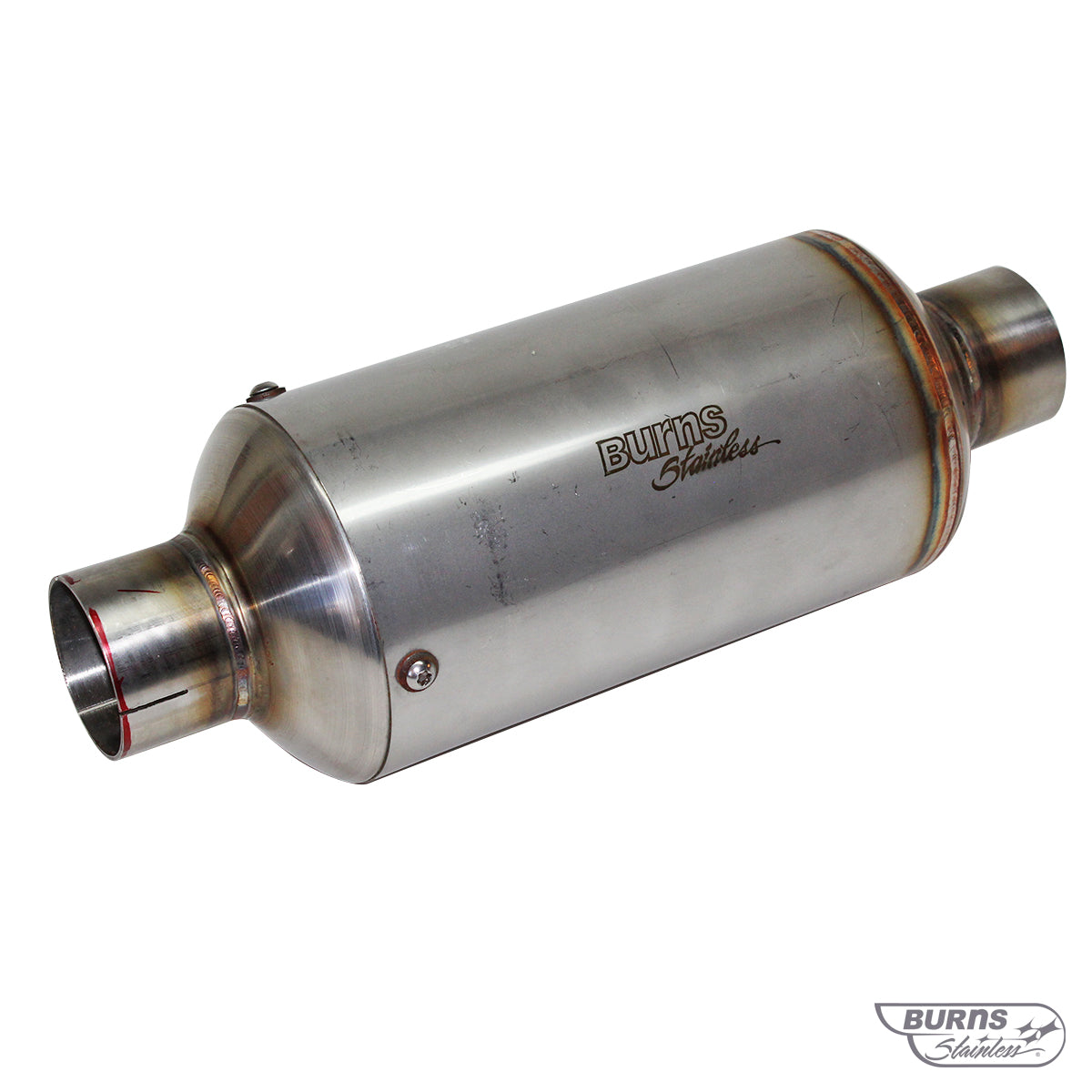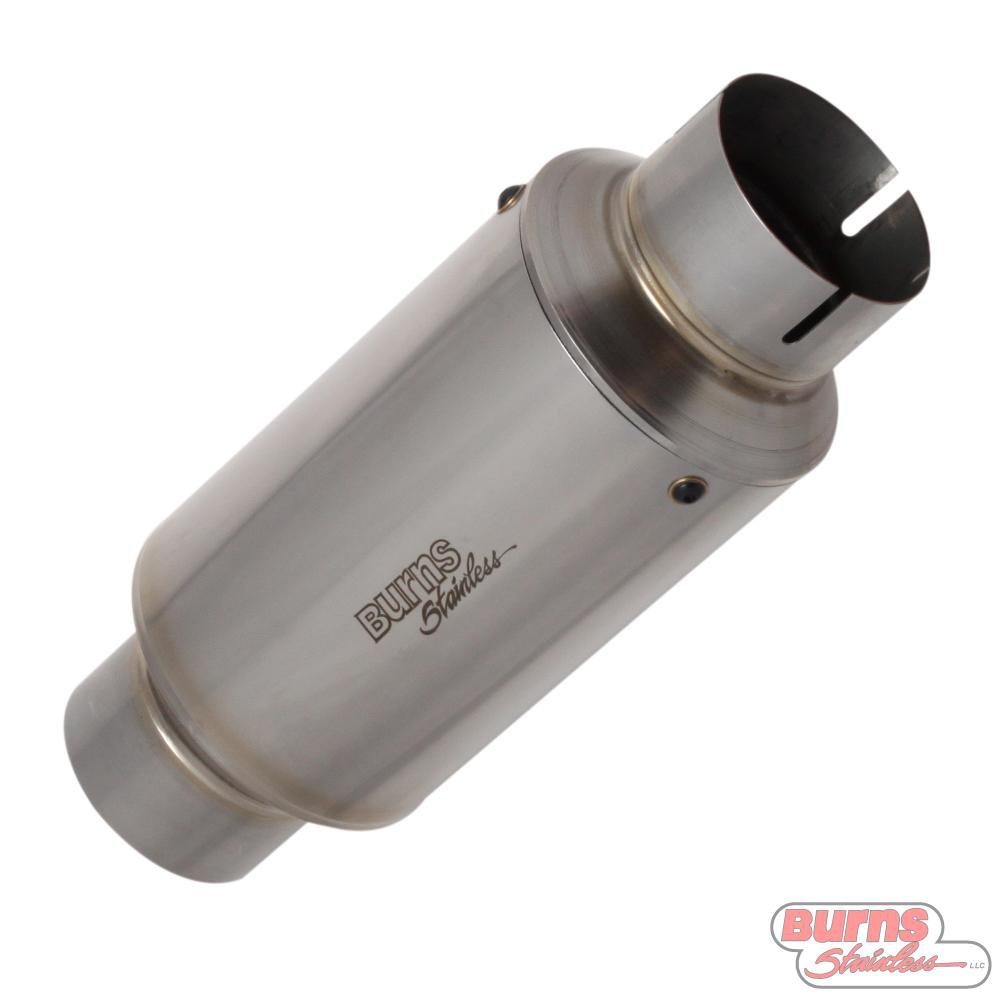

In this episode of Vince in Shorts, we learn about the heart of the Performance Exhaust System, the Collectors. In part one we learn of the different types, how they are made, and the all important Merge Angle.
ALL ABOUT COLLECTORS - Part One
When racers, fabricators, and engine builders talk about performance exhaust, the collector is too often treated like an afterthought. That is a mistake. The collector is where individual primary tubes come together, and when it is designed correctly, it helps manage exhaust flow, reduce restriction, and broaden the engine’s usable powerband.
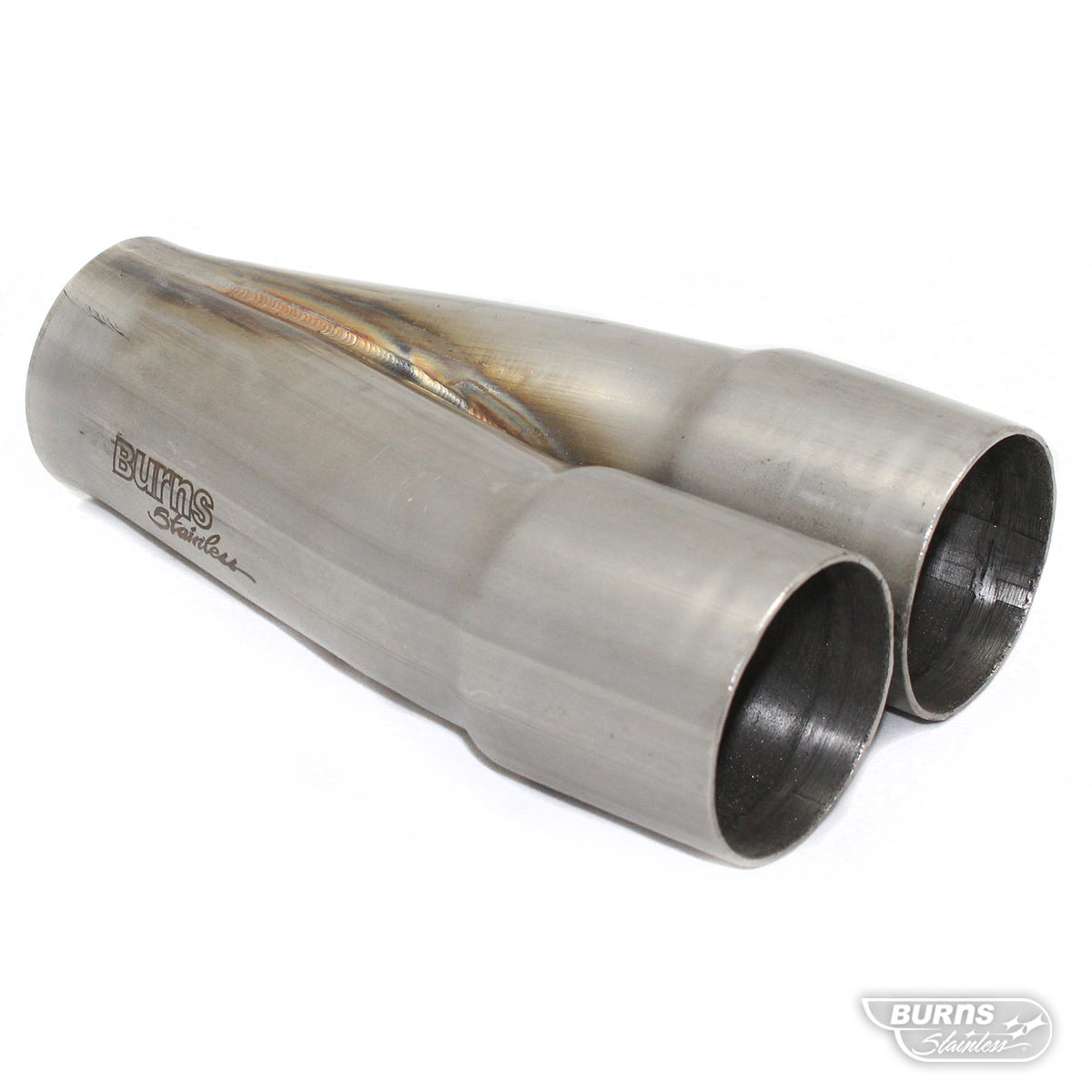
That is why Burns Stainless has built a reputation around the merge collector. It is not just a formed cone with a piece dropped into the middle. A true merge collector is fabricated from individual tubes that are cut, fit, and welded so the exhaust paths merge smoothly to a point. That smooth transition is what separates a real performance collector from a generic part that only looks the part from the outside.
What Is a Merge Collector?
A merge collector is the section of the exhaust system where two, three, four, five, or more primary tubes come together into a single outlet. Burns Stainless builds collectors in multiple configurations, including 2-into-1, 3-into-1, 4-into-1, 5-into-1 and we even built a custom 8-into-1 design.

The key word is “merge.” The tubes are not simply dumped into a large open cavity. They are cut and joined in a way that gives the exhaust gases a continuous path into the collector. That smoother path helps reduce turbulence and restriction, which is especially important in racing, high-performance street, road race, marine, and open-header applications. As shown in this view of a 6:1 Turbo Collector:

Why the Neck-Down Section Matters
The reduced outlet, or neck-down section, is one of the real secrets behind a properly engineered merge collector. The tubes coming together smoothly help the exhaust flow cleanly, but the outlet size plays a major role in shaping the power curve.
Get the outlet strategy right, and the collector can help broaden the powerband rather than just chasing peak horsepower. That is where experience matters. Burns Stainless does not build collectors around guesswork. The collector design, outlet size, and application all have to work together.
Different Collector Outlet Strategies
The base merge collector can be paired with different outlet configurations depending on the vehicle and intended use.
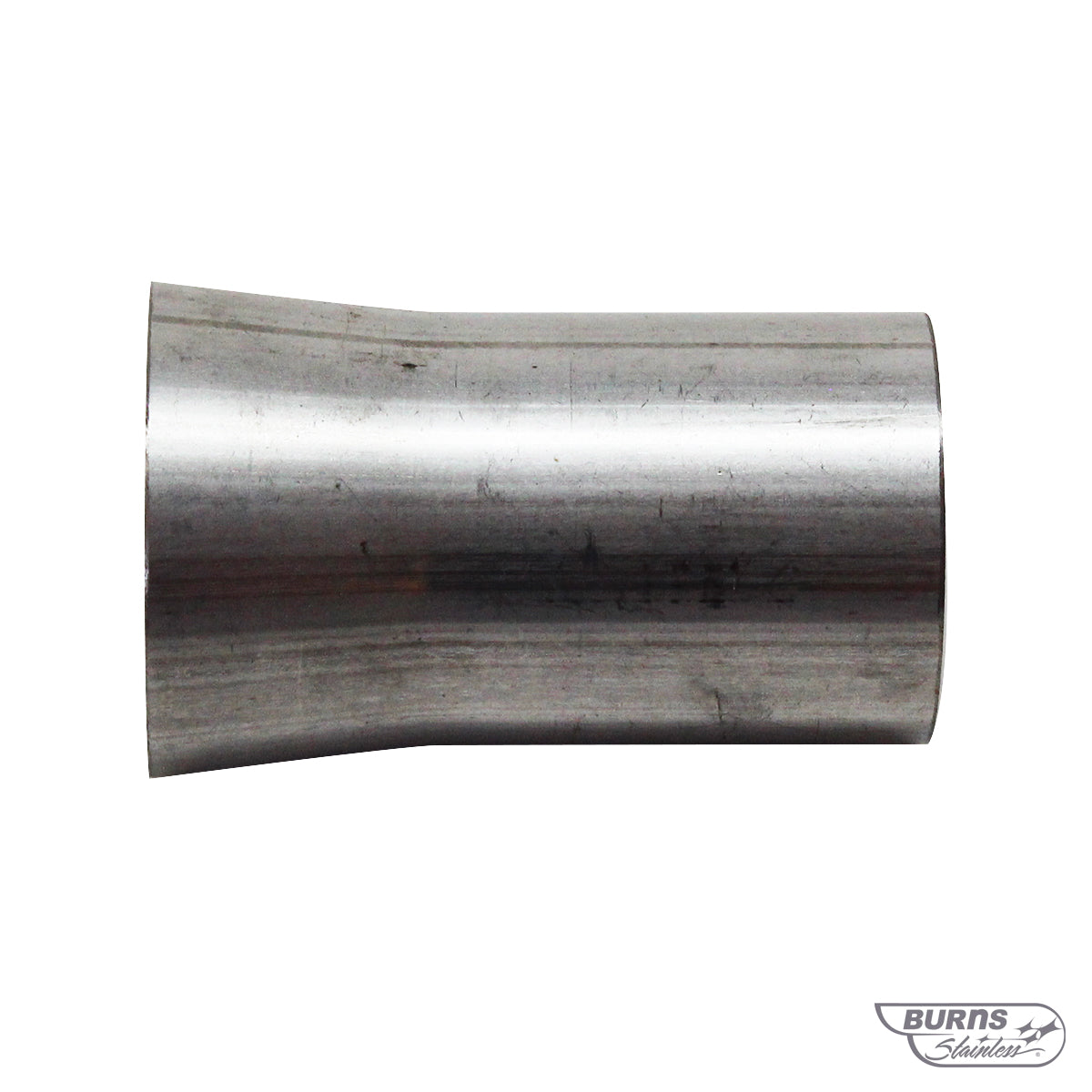
For road-going applications, the most common setup uses a transition and exhaust ring. This is typically used when the exhaust continues under the vehicle through tubing, mufflers, or a full exhaust system.
For drag race, marine, and open-header applications, a megaphone with a reverse cone can be the better choice. This configuration acts like an ideal tailpipe for certain race applications, but it is usually too long and too large to package under a typical road car.
That is why the right collector is not universal. A collector for a street-driven performance car is not automatically the same answer as a collector for a drag car, race boat, Porsche 911 race car, or side-pipe Viper project. Application drives design.
Merge Angle: Why 15 Degrees Works
Another major factor in collector design is the merge angle. Burns Stainless typically recommends a 15-degree merge angle for most collectors. The optimum range is generally around 7 degrees to 17 or 18 degrees, depending on the application.
A very shallow merge angle might look better on paper because it turns the exhaust less abruptly. But if the collector gets too long, the added drag through the longer path can cancel out the theoretical flow gain.
A steeper angle, such as 25 degrees, creates a shorter package, but the exhaust has to turn more abruptly, which can create additional losses. That is why 15 degrees is a strong standard for many naturally aspirated applications: it balances flow efficiency with real-world packaging.
There are exceptions. Turbo applications often have tight packaging limits, so Burns Stainless offers 25-degree collectors for double-slip turbo collector applications where shorter length is necessary.
The Bottom Line
A real merge collector is not defined by appearance alone. It is defined by how the tubes come together, how the exhaust gases are managed, how the outlet is sized, and how the merge angle fits the application.
Burns Stainless merge collectors are built for fabricators and racers who understand that exhaust design is not decoration. It is performance hardware. Whether the project calls for a 2-into-1, 3-into-1, 4-into-1, or 5-into-1 collector, the goal is the same: smoother flow, lower restriction, and a collector designed around the way the engine is actually used.
When the exhaust has to work, the collector matters.