
There is nothing inherently wrong with a generic exhaust. In fact, for a stock or mildly modified Harley-Davidson Milwaukee-Eight, a good aftermarket pipe may be exactly what the bike needs.
The key word is generic.
As displacement increases and you begin adding cams, headwork, larger throttle bodies, compression and other performance upgrades, the engine starts moving a very different volume of air through a very different RPM range. At some point, the exhaust can no longer be treated as something you simply bolt onto the end of the engine.
It becomes part of the engine combination.
So how do you know when you've reached that point? It is a good practice to always get a dyno reading when making modifications to see what your engine is doing and requires.
1. Your Engine Isn't Anywhere Near Stock Anymore
Think about how your M8 was originally configured when the exhaust was installed.
Since then, have you added a big-bore kit? Cam? Ported heads? Larger valves? More compression? A larger throttle body?
One modification may not change everything. Stack several of them together and the airflow requirements of the engine can become dramatically different.
The pipe that worked well two builds ago may no longer be the right pipe for the engine you have today.
2. Your Latest Engine Upgrade Didn't Deliver What You Expected
You installed better heads. Or a larger cam. Or stepped up displacement.
The engine clearly has more potential—but the improvement on the dyno wasn't nearly as significant as expected.
That is the moment to stop looking at individual components and start looking at the engine as a system.
An engine can only take advantage of improved intake airflow if it can efficiently evacuate the cylinder afterward. Poor port alignment, inadequate tubing geometry or an inefficient collector can become increasingly important as airflow demand rises.
3. The Engine Pulls Hard—Then Seems to Run Out of Breath
This is one of the classic signs worth investigating.
The motorcycle launches hard and feels strong through the middle of the RPM range, but instead of continuing to accelerate cleanly toward the top of the intended operating range, power starts falling away.
That doesn't automatically mean you need the largest pipe available.
In fact, simply increasing tubing diameter can create an entirely different problem by reducing exhaust velocity where the engine needs it.
The goal isn't the biggest exhaust.
It's the correct exhaust for the combination.
4. You've Changed the Cam Enough to Change the Engine's Personality
A performance cam does much more than create a new exhaust note.
Valve opening, closing, duration and overlap influence how the cylinder fills and evacuates. As the cam becomes more aggressive, exhaust pressure-wave behavior during the overlap period becomes increasingly important.
This is why exhaust design can't be reduced to a simple question of, “How much horsepower will this pipe support?”
The better question is:
Where do you want the engine to make power?
A strong street bagger, canyon bike and dedicated drag-racing M8 may all have very different exhaust requirements—even if their peak horsepower numbers look similar.
5. Your Cylinder Heads Have Outgrown the Head Pipe
The exhaust port is one of the highest-velocity areas in the system.
If you've invested in serious cylinder-head work, take a close look at what happens where the head meets the header.
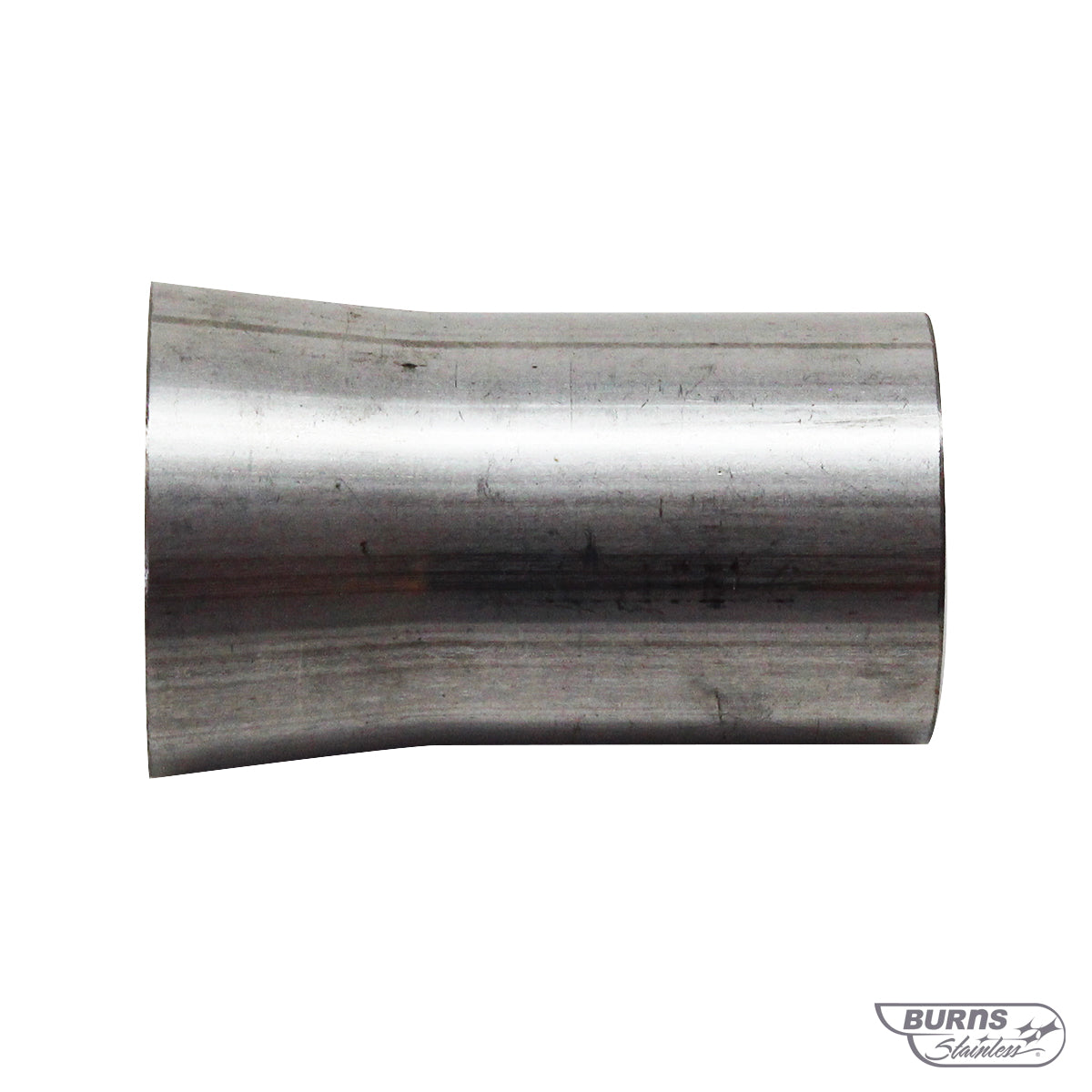
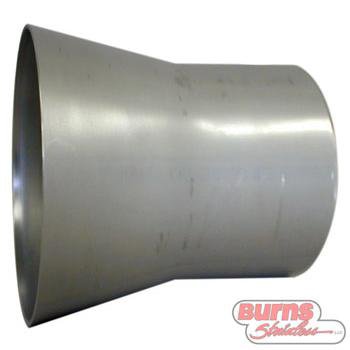
An abrupt mismatch, restrictive adapter or poorly aligned transition can interfere with airflow immediately as the exhaust exits the cylinder. The more serious the engine becomes, the less sense it makes to spend money improving cylinder-head flow only to compromise it at the first inch of the exhaust.
Port-to-header transition matters.
A lot.
6. You're Changing Baffles and Inserts Trying to Move the Power Around
Baffles, inserts and outlet changes can influence how an exhaust behaves, and sometimes they are useful tuning tools.
But if you're constantly swapping parts trying to recover lost torque in one area without hurting horsepower somewhere else, you may be treating the symptom instead of the underlying problem.
Primary size, step locations, primary length, collector configuration and outlet sizing all work together.
Changing one restriction at the end of the system can't always compensate for geometry that wasn't right for the engine in the first place.
7. Your Exhaust Was Chosen for the Motorcycle—Not the Engine
“Fits Harley Touring models” tells you something important.
It tells you whether the pipe will physically fit the motorcycle.
It doesn't necessarily tell you whether the exhaust was engineered for your displacement, cylinder-head configuration, camshaft, horsepower level and intended RPM range.
For lightly modified motorcycles, broad fitment may be perfectly reasonable.
For a serious performance build, those details become increasingly important.
At that level, exhaust selection should begin with the engine combination and intended use, not simply the year and model listed on the box.
8. Your Tuner Is Starting to Ask Questions About the Exhaust
This may be the biggest clue of all.
When your engine builder or tuner starts asking about primary diameter, collector size, exhaust length, port configuration or where you want the motorcycle to make power, you've moved beyond accessory-level exhaust selection.
You're now tuning a system.
And that's exactly where exhaust engineering belongs.
Bigger Isn't the Answer. Better Matched Is.
There is a temptation with performance engines to assume every component needs to become larger as horsepower increases.
Exhaust systems aren't that simple.
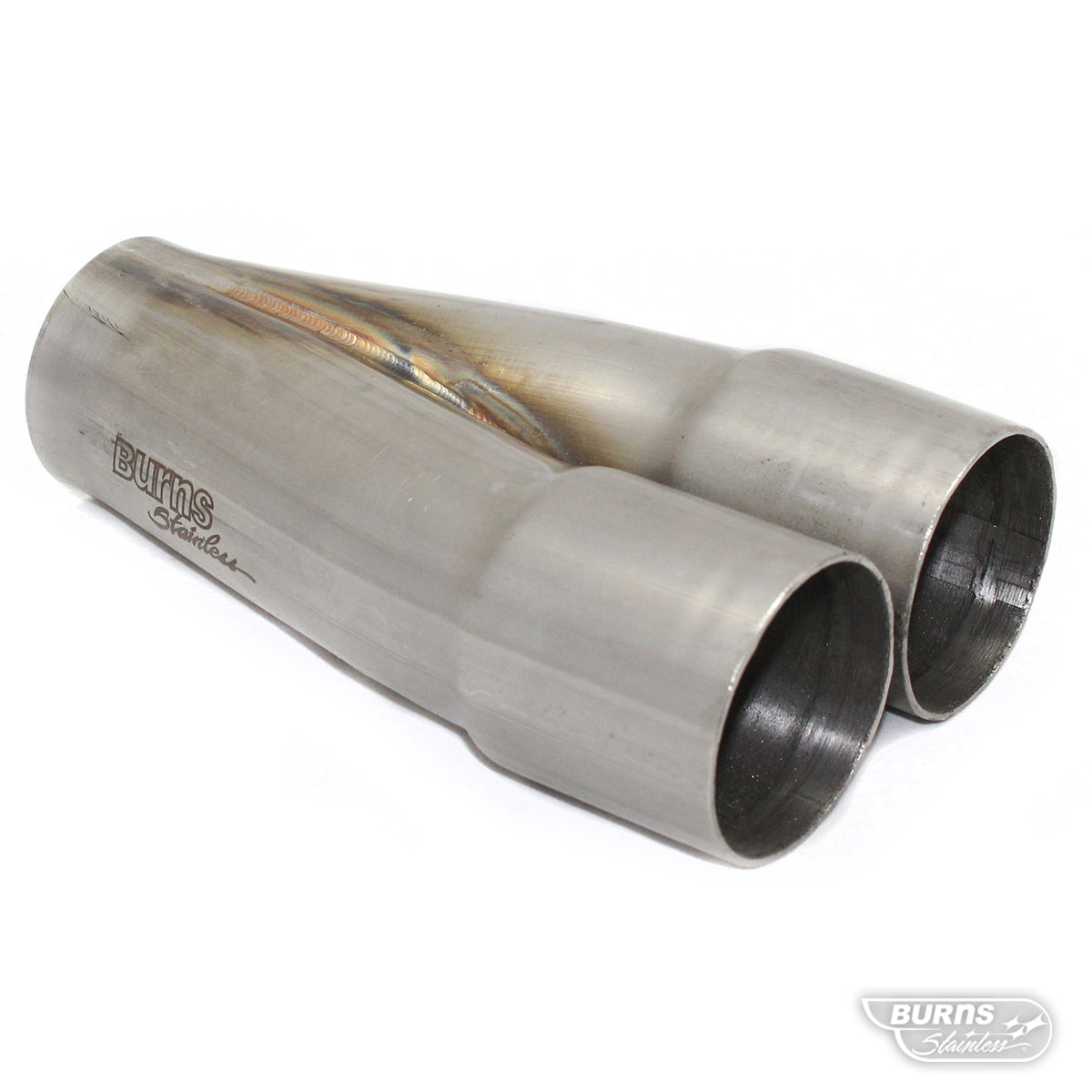
Maintaining exhaust velocity near the cylinder head can be just as important as providing adequate flow farther downstream. That's one reason properly engineered stepped primary tubes can increase in diameter as exhaust travels away from the port. Collector geometry and outlet sizing then influence how the pulses from both cylinders interact.
The objective is not maximum pipe diameter.
It's getting the engine, exhaust and intended powerband working together.
That philosophy is why Burns Stainless doesn't use one NhB configuration for every Milwaukee-Eight. The current lineup includes the VsT for high-performance 121–135 cubic-inch combinations, the larger BbM for 135+ cubic-inch engines, and the WtF for extreme combinations using high-flow square-port cylinder heads. Each approaches the problem from a different airflow requirement rather than assuming one exhaust can be ideal for every build.
Has Your M8 Outgrown Its Exhaust?
Maybe.
One symptom by itself isn't enough to condemn a pipe. A good tuner should always consider fuel, ignition, cam timing, intake flow and the rest of the engine combination before blaming the exhaust.
But when several of these signs begin showing up together, it may be time to stop asking:
“What exhaust fits my Harley?”
And start asking:
“What exhaust does my engine need?”
That's when a performance exhaust stops being an accessory and becomes an engineered part of the combination.
Build the engine as a system. Choose the exhaust the same way.